Rome, with its rich history and culture, offers a wide variety of things to do and see for all to enjoy. From the grand Colosseum and St. Peter's Basilica to the romantic Trevi Fountain and the historic Pantheon.
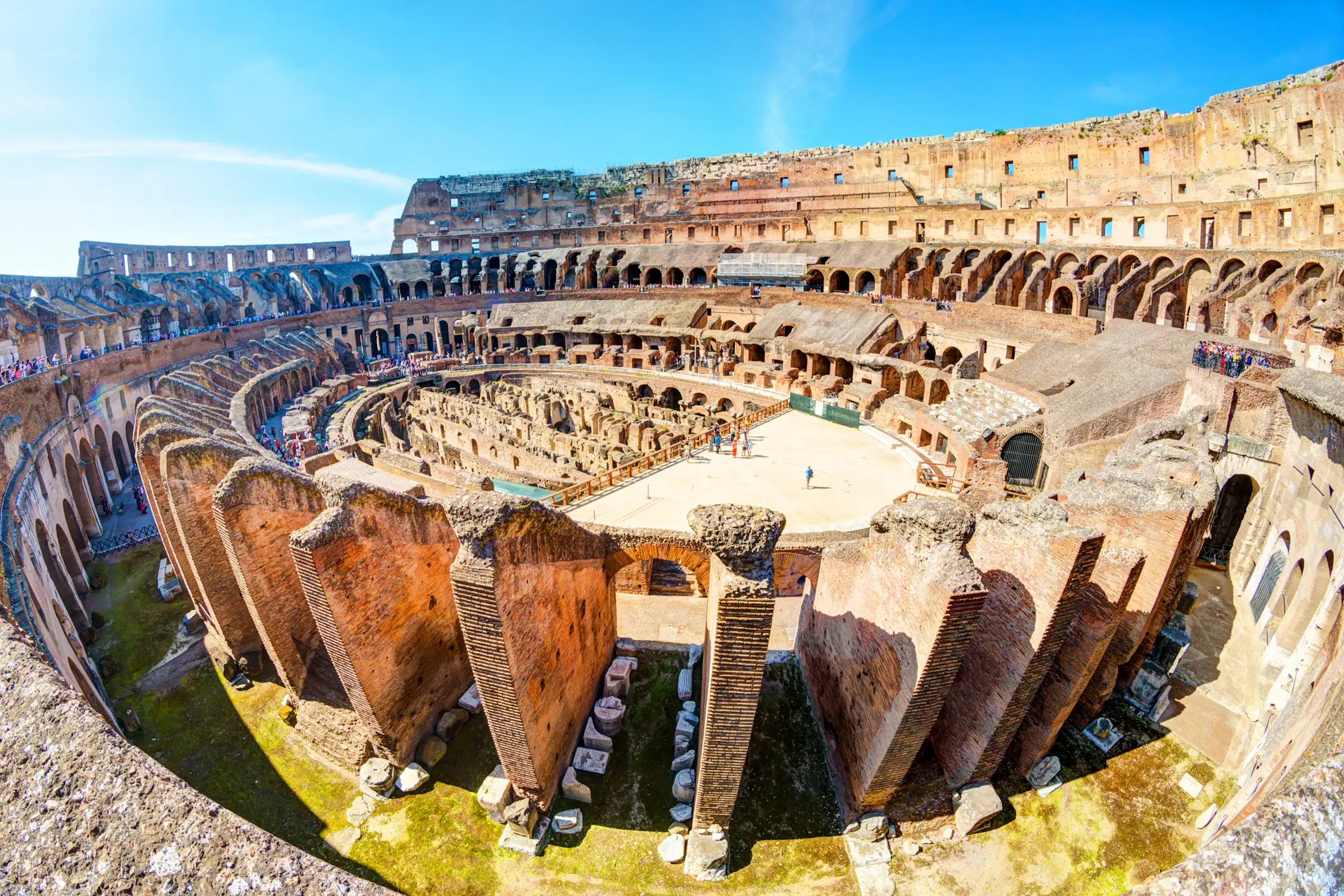
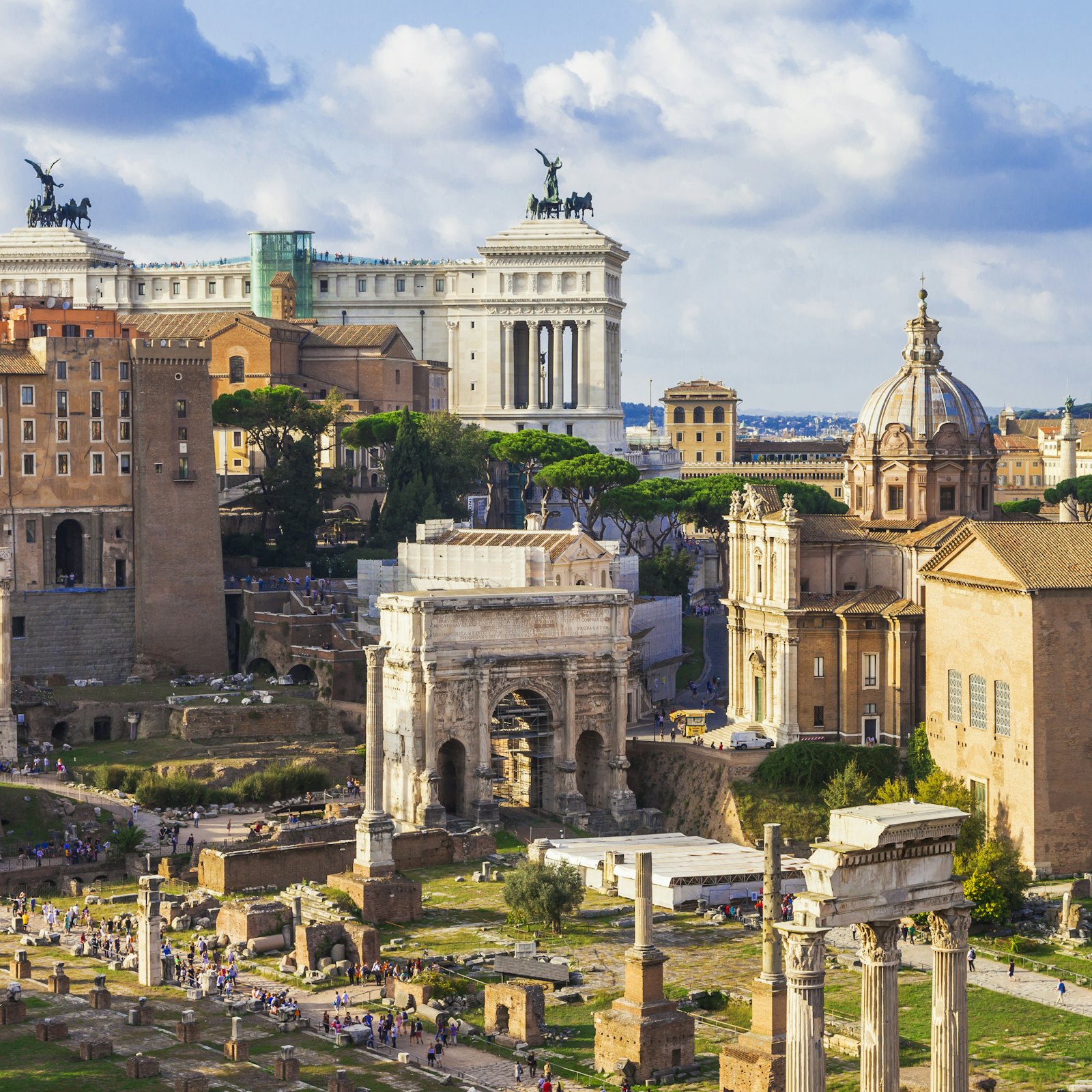
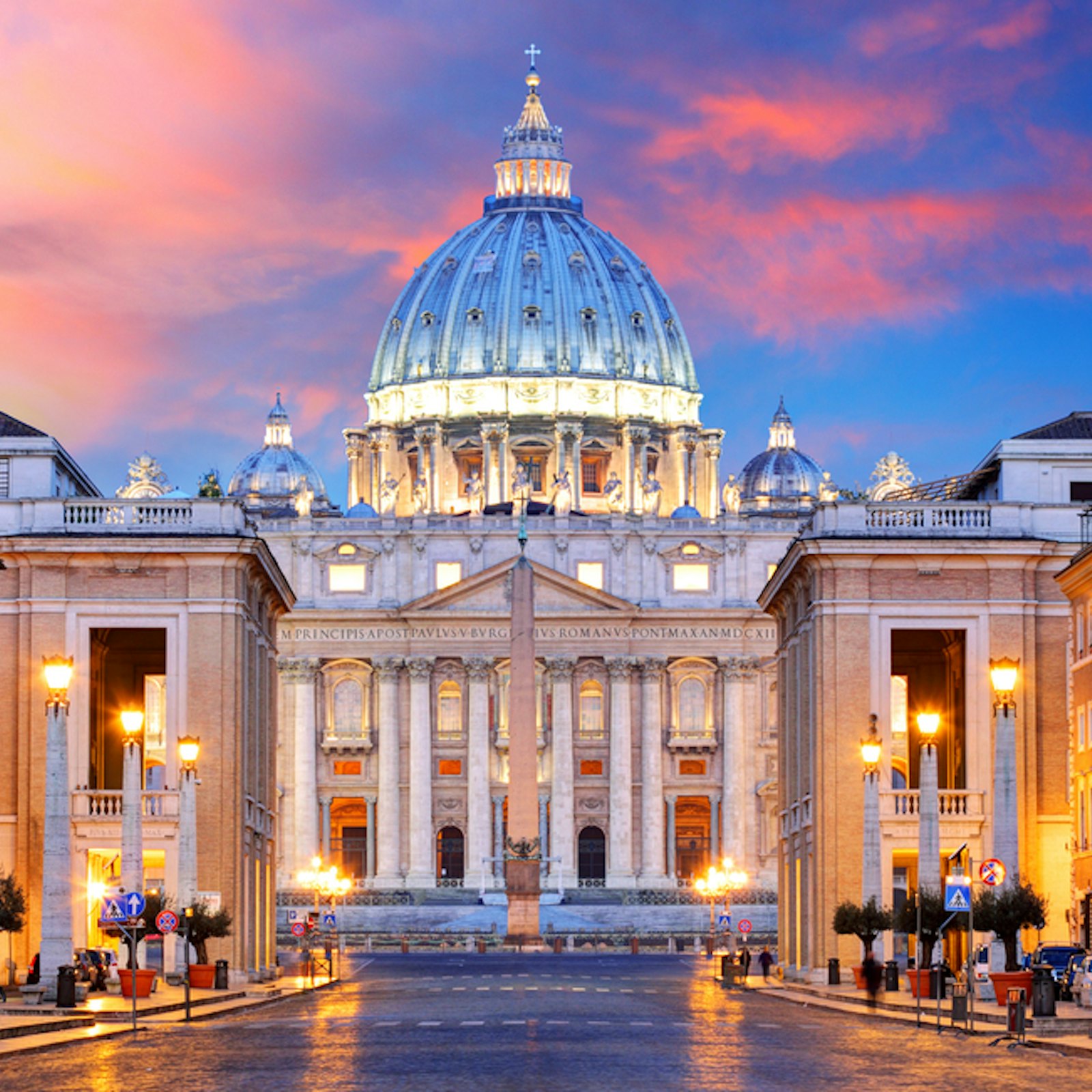
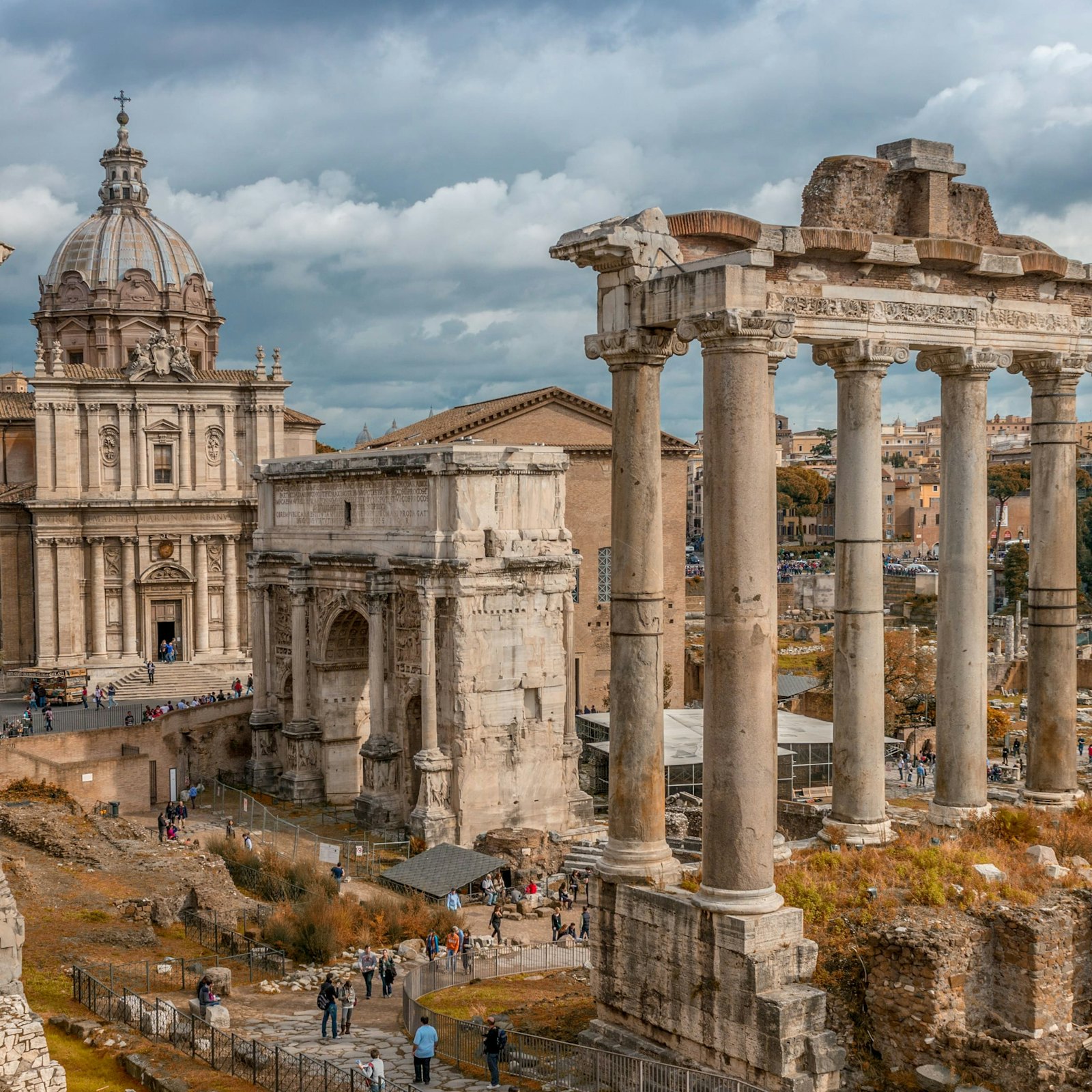
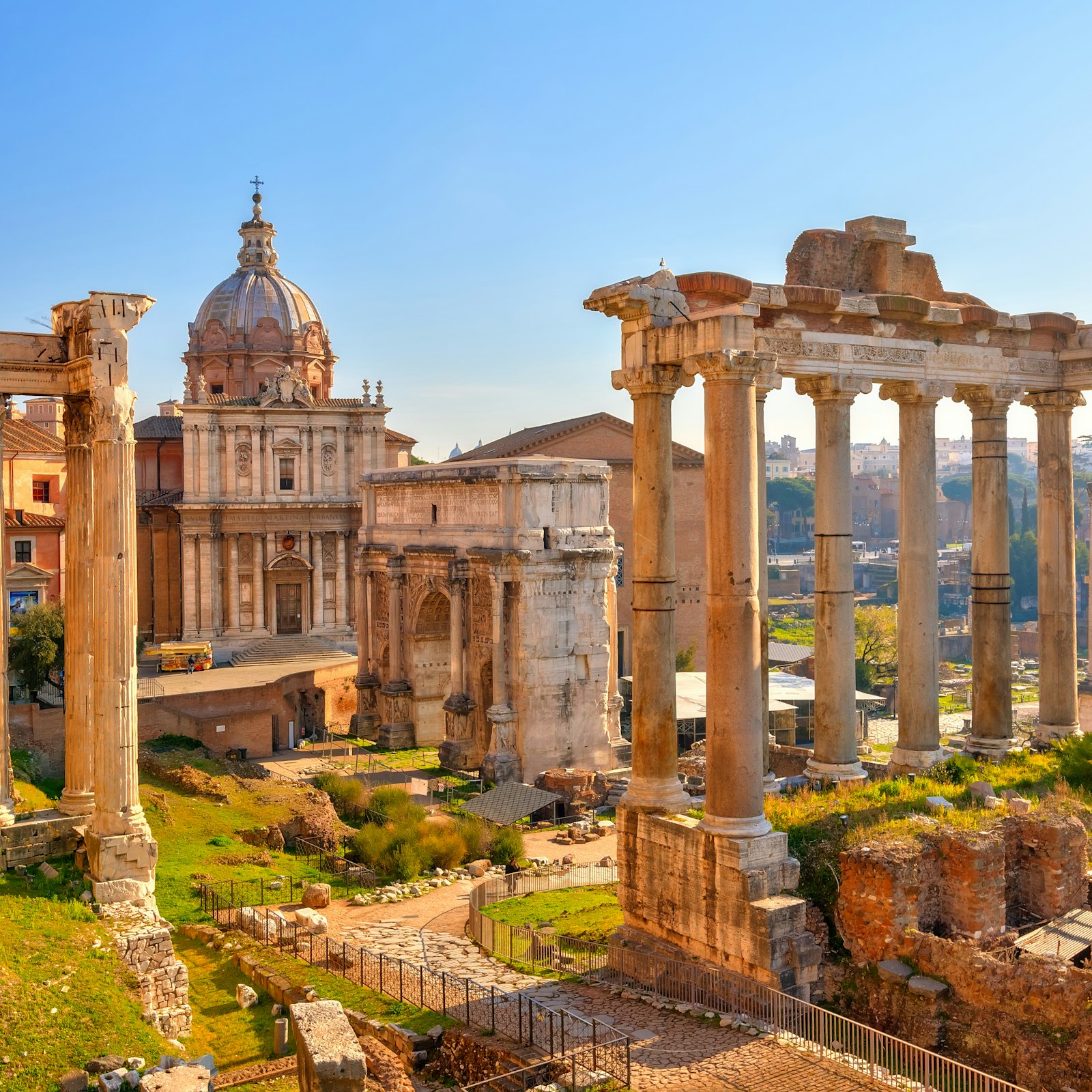
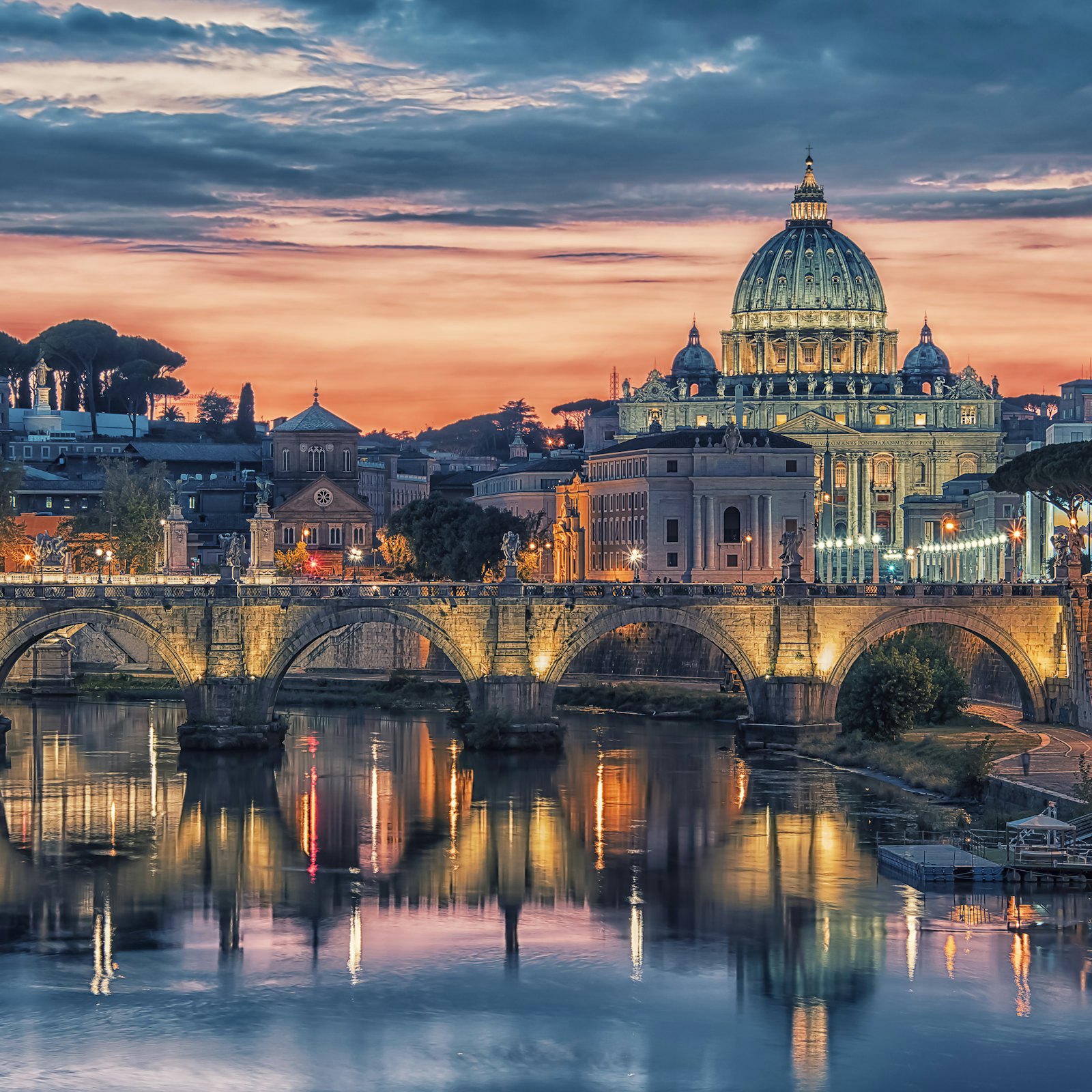
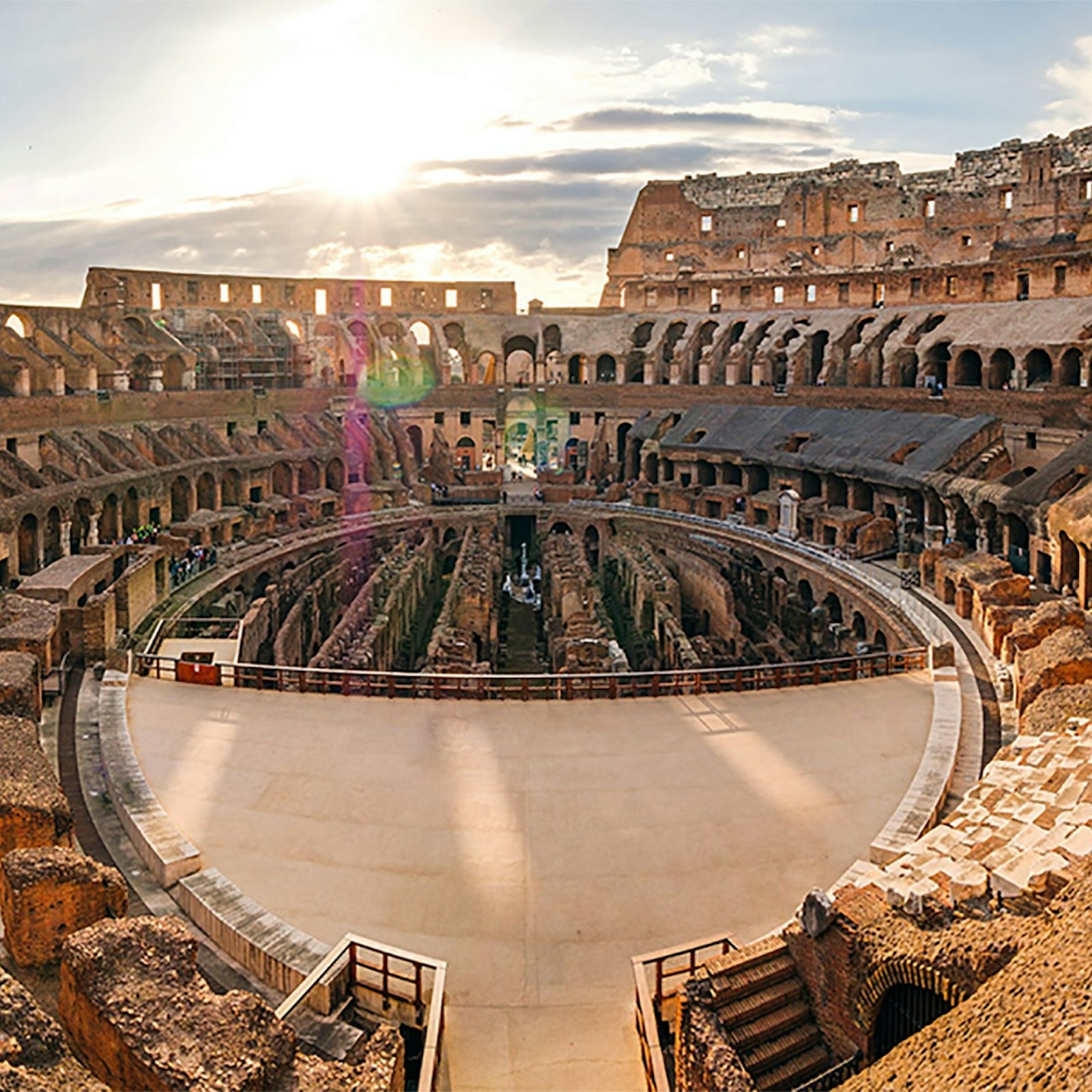
Steeped in history and brimming with cultural treasures, Rome attracts people from across the world. Amongst the city's most famous attractions are the awe-inspiring Colosseum, where the gladiators once battled. The amazing St. Peter's Basilica, a masterpiece of Renaissance architecture. The romantic Trevi Fountain, where you can toss coins to ensure your return to Rome. The ancient Pantheon known for its famous dome and oculus, and the Roman Forum, a sprawling archaeological site that offers a glimpse into the heart of ancient Roman public life.
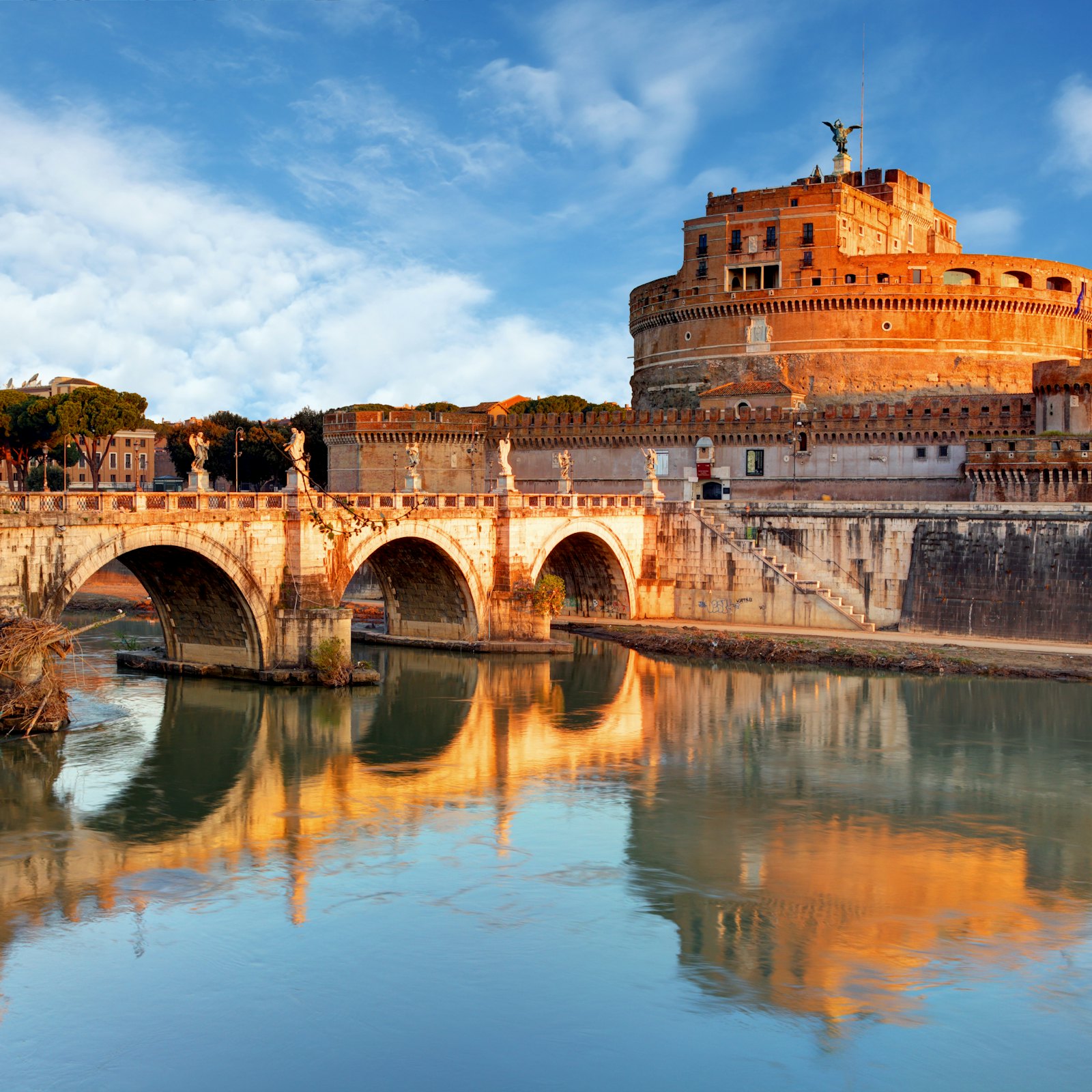
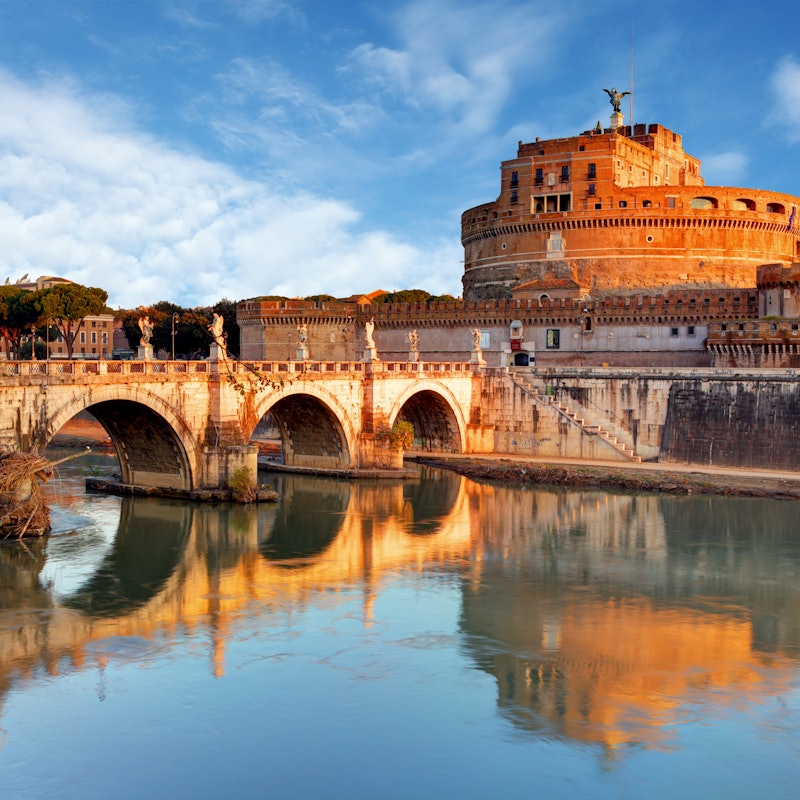
Castel Sant'Angelo Tickets: A museum initially built as a mausoleum for Emperor Hadrian and now a very popular attraction.
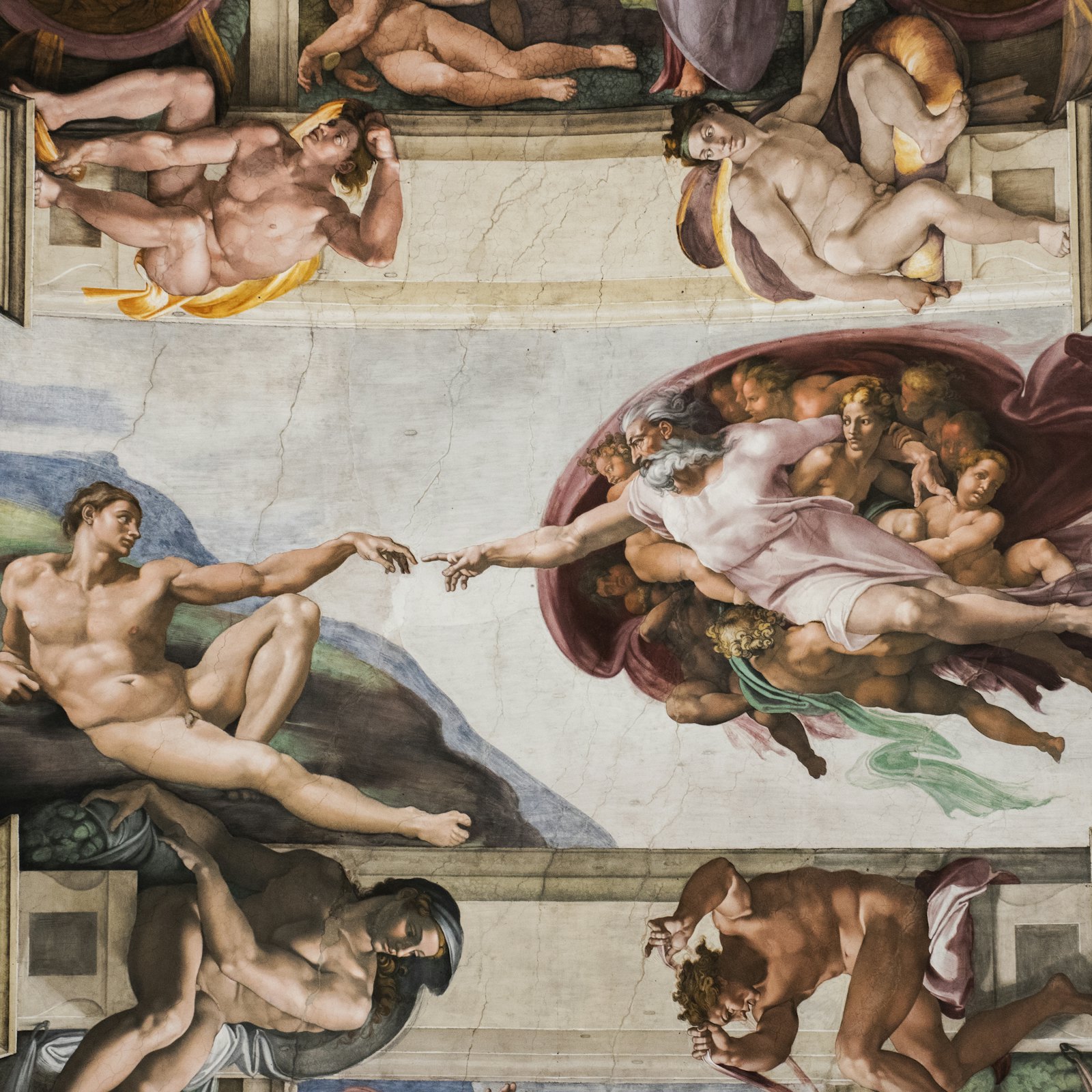
St. Peter's Basilica Tickets: See Michelangelo's "Pieta", impressive architecture, and more in the heart of the Vatican!
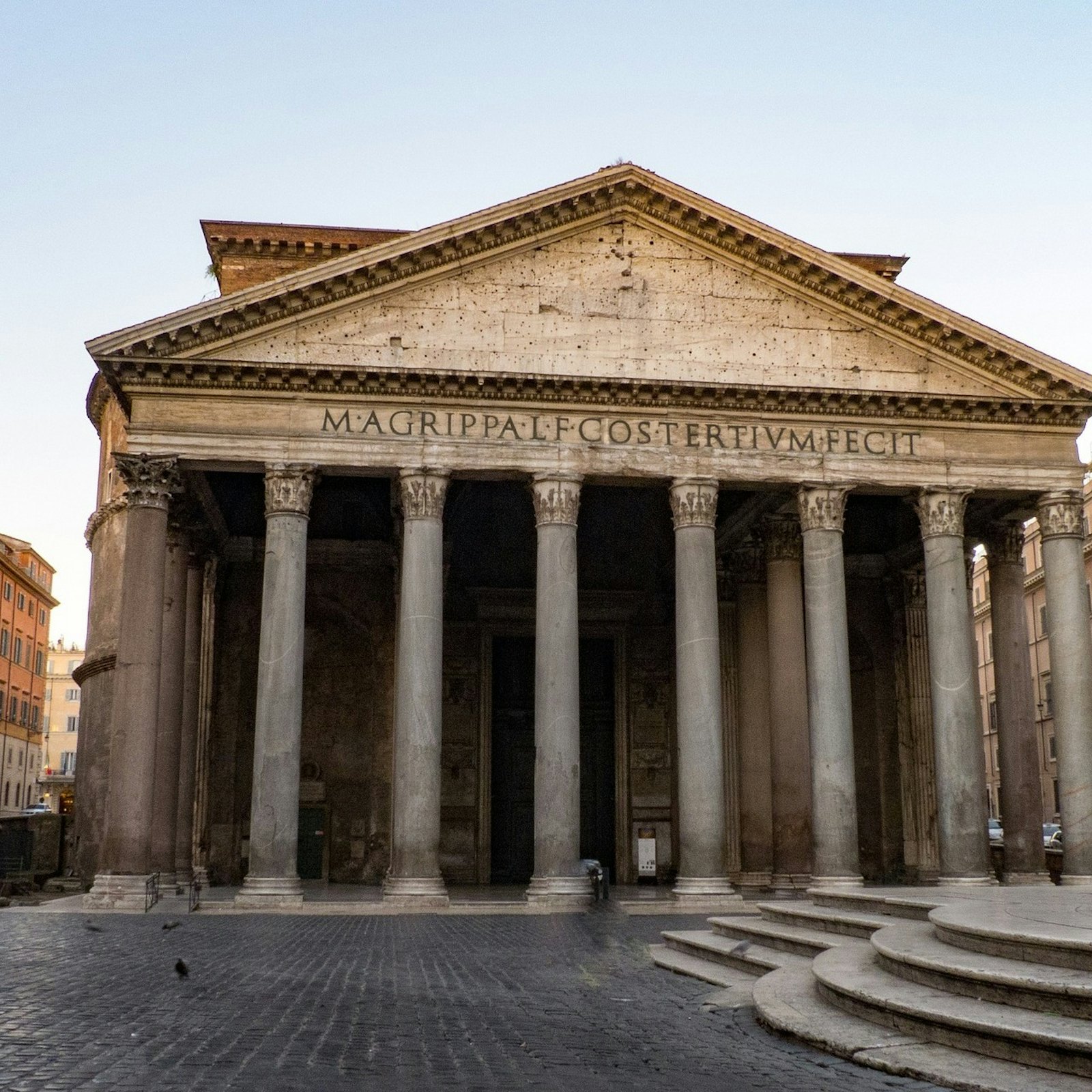
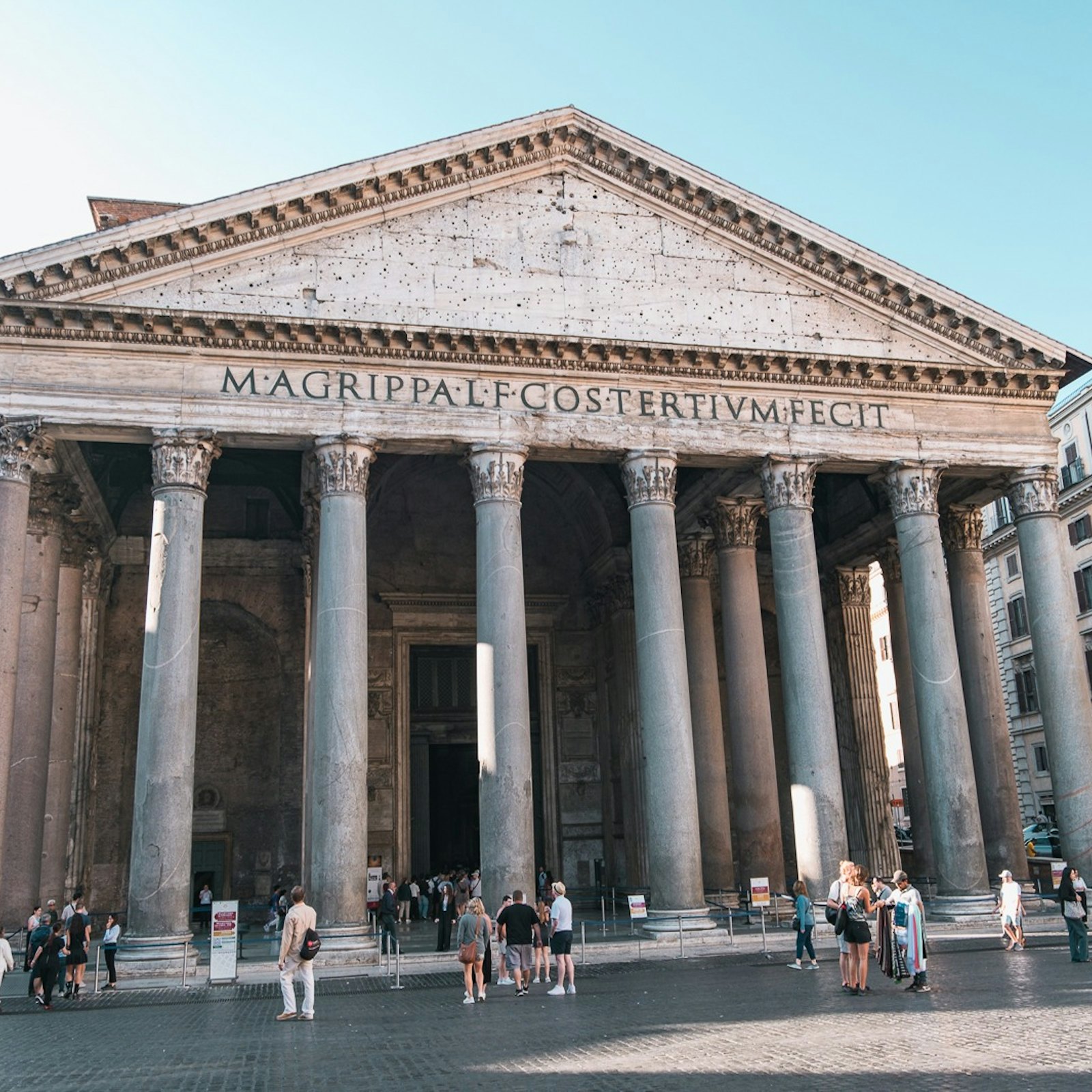
Rome Pantheon Tickets: Gaze up at the dome of this ancient temple, a testament to Roman architecture.
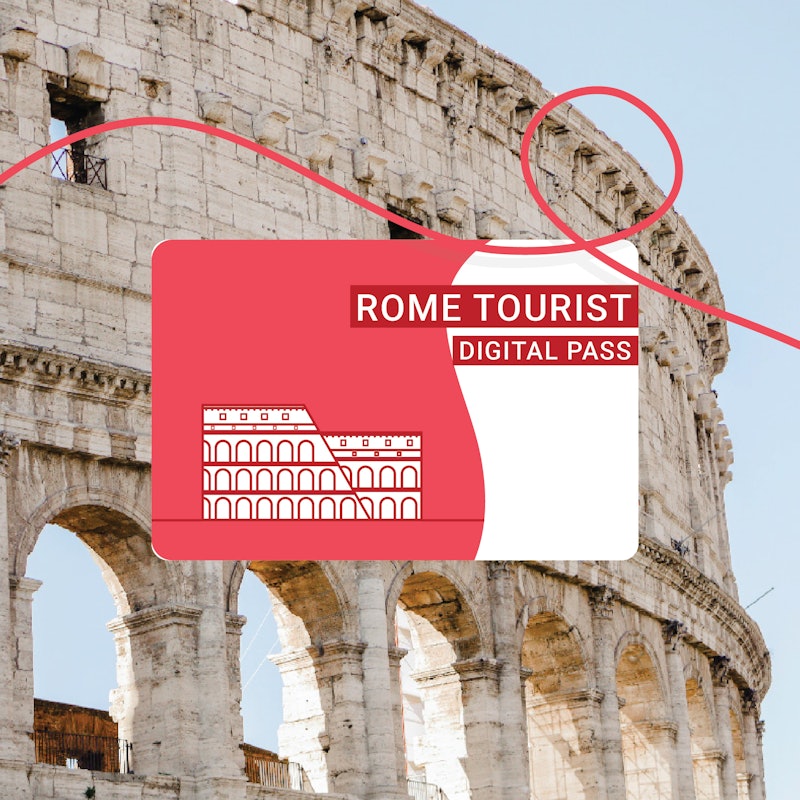
Rome Tourist Card: A popular combination ticket for Rome that includes Colosseum, Vatican Museums & Pantheon or St. Peter's Basilica.
Useful Information for Rome
Country Dialling Code: +39
Rome Dialling Code: 06
Emergency Number: 112
Official Language: Italian
Currency: The Euro (€)
Time Zone: GMT+1
How to say: Please & Thank you - 'Per Favore' & 'Grazie'
Fun Facts About Rome
The Colosseum's Hidden History: The Colosseum could hold up to 80,000 spectators and hosted gladiatorial contests, animal hunts, and even mock sea battles! The arena was sometimes flooded with water for these naval re-enactments, showing the Romans' engineering skills!
Rome's Ancient Origins: According to legend, Rome was founded by twin brothers Romulus and Remus in 753 BC. After a dispute, Romulus killed Remus and became the first king of Rome, naming the city after himself!
The Pantheon: The Pantheon in Rome has the world’s largest unreinforced concrete dome, still standing after nearly 2,000 years. The hole in the centre, known as the ‘oculus’, is the building’s only source of natural light and with it being a hole, it means when it rains, it also rains inside the building, but they have built a clever drainage system as well!
Vatican City, the Smallest Country: Sitting within Rome, Vatican City is the smallest independent country in the world and spans just 44 hectares (110 acres). It's the spiritual and administrative centre of the Roman Catholic Church as well as being a major tourist attraction!
A City of Fountains: Rome is often called the "City of Fountains" because it has more than 1,500 fountains, the most famous being the Trevi Fountain. Legend says that throwing a coin into the Trevi guarantees a return trip to the city!
Tips For Visiting Rome
Book Tickets in Advance for Major Attractions: Avoid long queues at places like the Colosseum, the Vatican Museums, and St. Peter’s Basilica by booking tickets online in advance. Popular sites like the Vatican can sell out quickly (weeks in advance) so we suggest if you know when you are visiting, book tickets early to guarantee your place.
Dress Appropriately for Churches: Many of Rome’s churches, including St. Peter’s Basilica, have a strict dress code. Ensure your shoulders and knees are covered as a sign of respect. They may be tourist attractions, but they are still religious, so it should be respected.
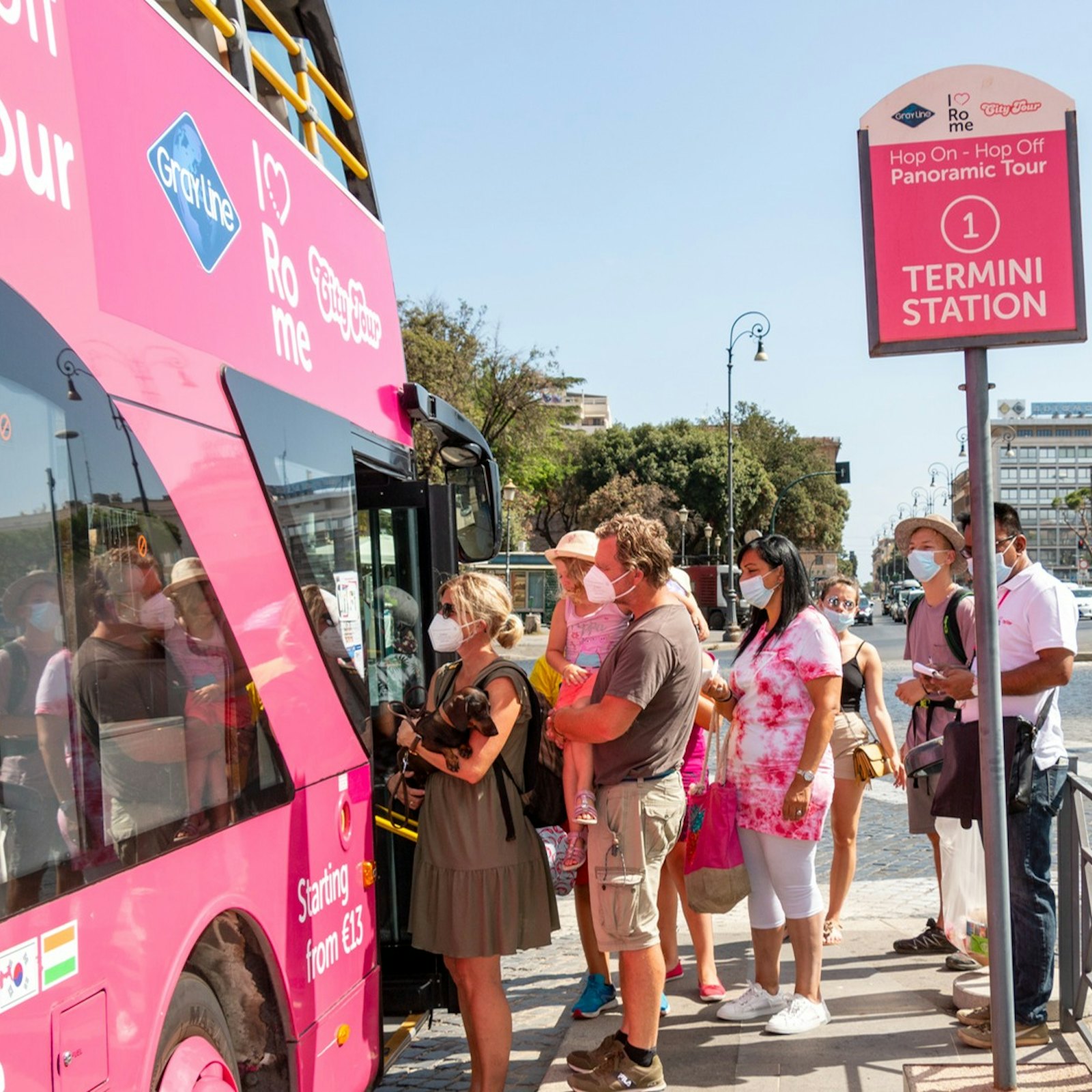
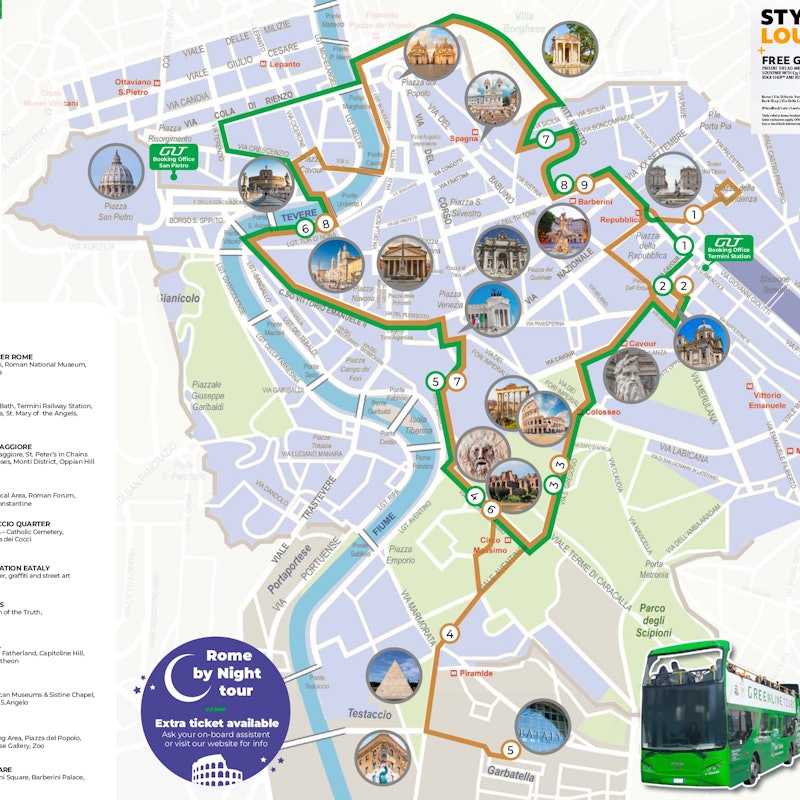
Use Public Transport or Walk: Rome is a compact city, and many of its key sights are quite close to each other. You can easily walk between attractions. However, for longer distances, Rome's buses, trams, and metro are affordable and efficient.
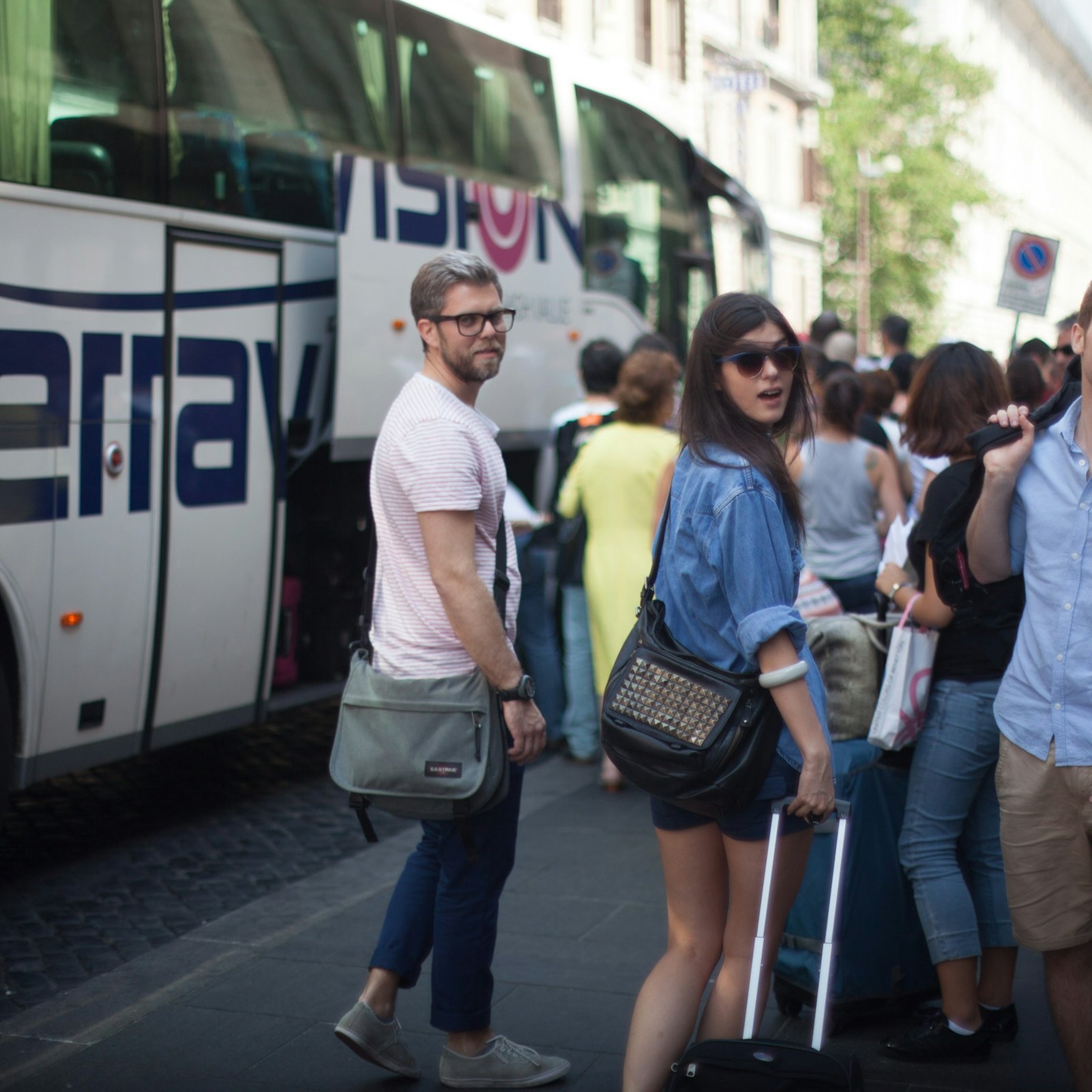
Beware of Pickpockets: Like many major cities, the tourist hotspots in Rome can attract pickpockets so be mindful of your belongings, especially in crowded areas like public transport, markets, and busy attractions.
Explore Beyond the Main Attractions: While the Colosseum and Vatican are must-see landmarks, there are many lesser-known gems in the city as well. Visit the Aventine Hill for amazing views, or the Trastevere district for charming streets and local dining experiences.
Have Some Cash on Hand: Though cards are widely accepted, some smaller shops, restaurants, or gelato stands may prefer cash. ATMs are plentiful, but it’s good to have some euros for small purchases. But be wary of pickpockets when holding cash.
Time Your Visits to Avoid Crowds: Going early in the morning or later in the afternoon can help to avoid the biggest crowds, especially at major attractions like the Pantheon, the Trevi Fountain, and Piazza Navona.
Try Authentic Roman Cuisine: Don’t leave without trying classic dishes like carbonara, cacio e pepe, and Roman-style artichokes! Head to local trattorias instead of touristy spots for more authentic dining experiences.
Don’t Forget About Siesta Time: Many shops and smaller restaurants close in the afternoon (around 1-4 PM) for a break. Plan your day accordingly to avoid disappointment when you find places shut during siesta hours!
Subscribe Our Newsletter & Get The Latest Deals
Thank you! Your submission has been received!
Oops! Something went wrong while submitting the form.