


Catacombs of Saint Callixtus: Entry Ticket
See some of Rome's most important catacombs
- Catacombs of St. Callixtus: Entry Ticket
- 40-minute Guided Tour


Rome Catacombs & Underground - Tickets & Visitor Information
What are Rome's Catacombs, Crypts and Hidden Underground Sites?
- Beneath the streets of Rome lies the hidden world of the mysterious catacombs and underground passages.
- Dating back to around the 2nd century AD, the labyrinth of tunnels was primarily created as burial sites, as Roman law prohibited burials within the city walls.
- As a result, Christians, Jews, and some pagans used the subterranean network for interment. The catacombs also served as clandestine meeting places for early Christian communities to celebrate mass away from persecution.
- Tickets are available for guided tours of Rome’s catacombs, crypts, and underground archaeological sites.
Quick Information
- Location: Rome, Italy (various underground sites across the city)
- Main Attractions: Catacombs of St. Callixtus, Priscilla, San Sebastiano, Capuchin Crypt, Stadium of Domitian, Trevi Underground
- Tour Type: Guided tours and timed entry tickets
- Duration: 30 - 45 minutes per tour/site
- Booking: Advance booking is recommended
- Accessibility: Not suitable for wheelchair users in most sites due to stairs and narrow passages
Why Visit Rome’s Catacombs & Underground Sites?
- Rome’s underground world offers a completely different perspective on the Eternal City. Instead of grand monuments and bustling piazzas, you step into quiet tunnels and chambers that tell stories of early Christians, Roman engineers, and forgotten civilizations.
- Whether you're interested in ancient history, archaeology, or simply a unique experience away from the crowds, the underground sites are amongst Rome’s most memorable attractions.
{{ticket-block-triple}}
Best Rome Catacombs and Underground Tours
Catacombs of Saint Callixtus - Guided Tour Ticket (Bestseller)
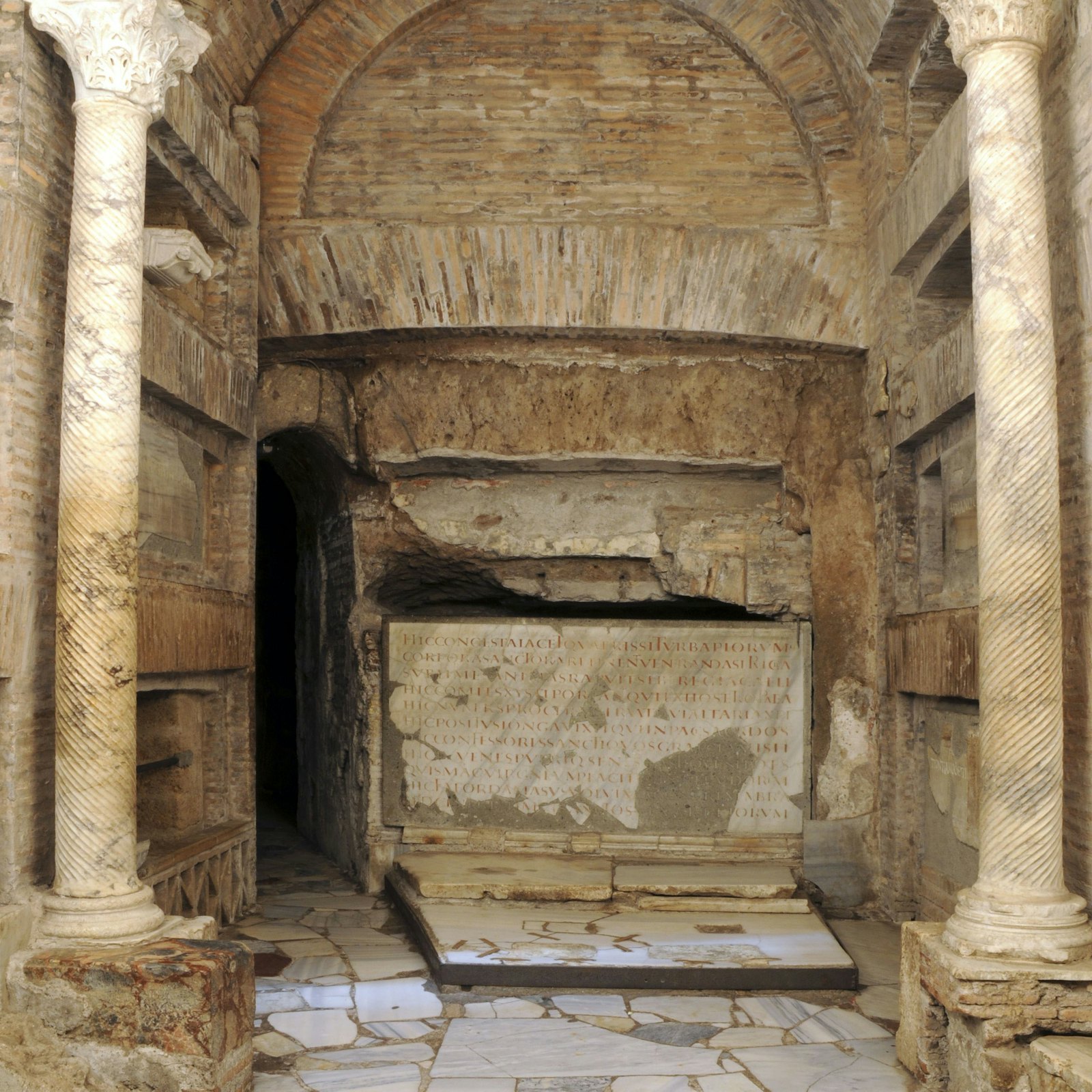
The Catacombs of St. Callixtus which are located along the historic Appian Way are amongst the most famous and extensive burial sites in Rome. Named after Pope Callixtus, the vast underground network contains early Christian tombs, including the resting places of several popes and thousands of believers.
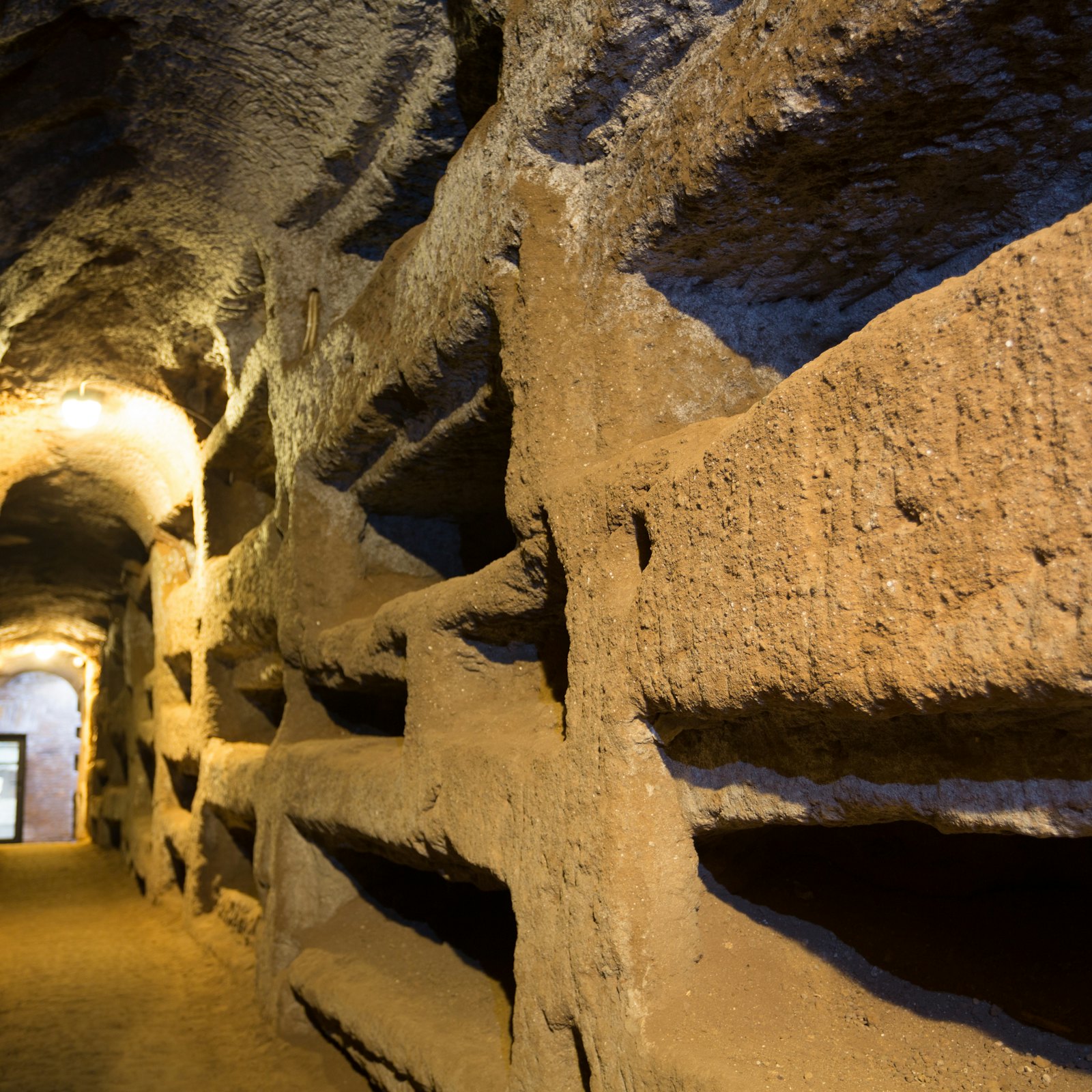
During the guided tour, you’ll explore narrow passageways lined with ancient loculi (burial niches) and learn about early Christian symbolism carved into the stone walls. At their peak, it is believed that around 500,000 people were buried within this complex.
What's Included:
- Entry ticket to the Catacombs of St. Callixtus
- 40-minute guided tour
- Multilingual guide (English, French, German, Italian & Spanish)
Priscilla Catacomb - Guided Tour Ticket
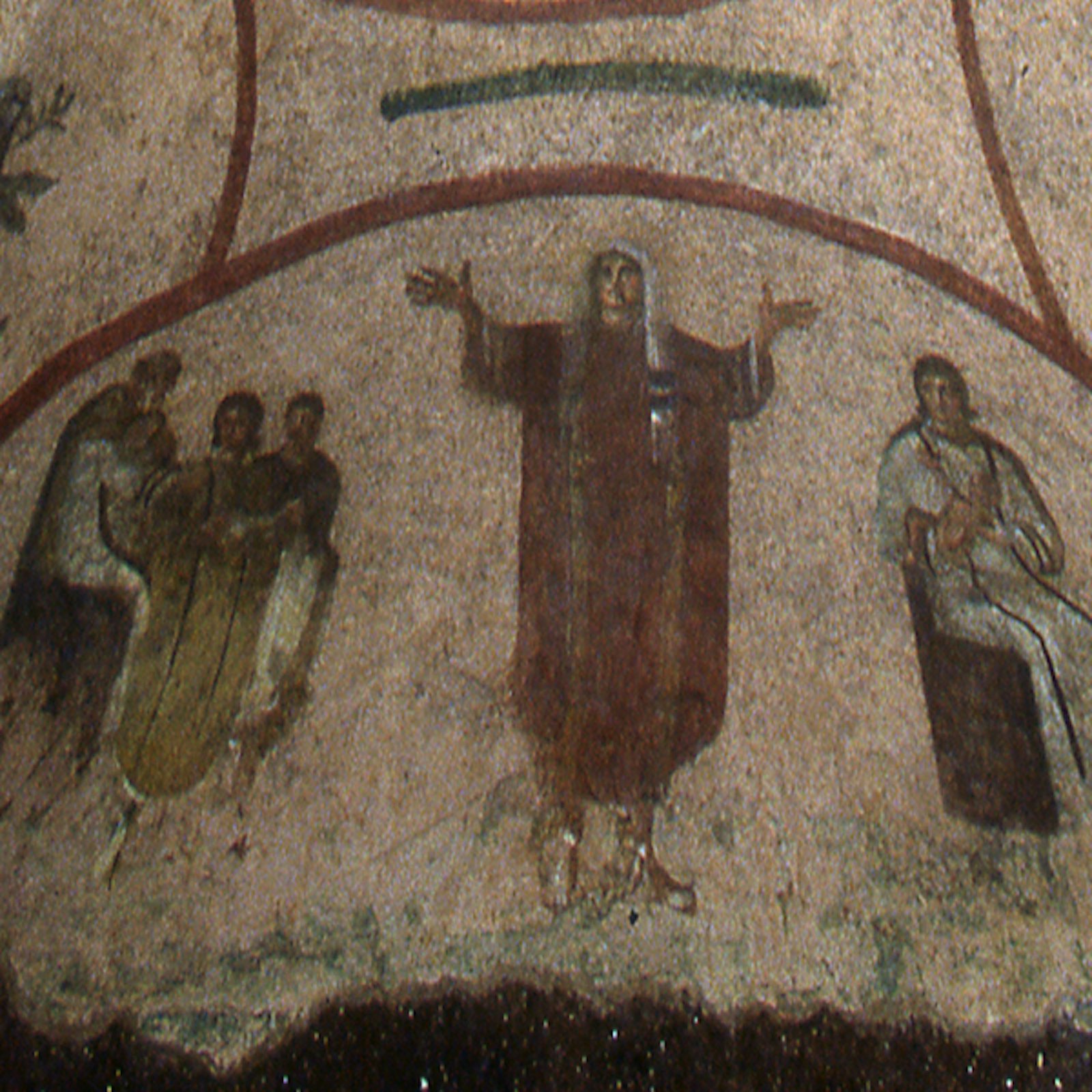
The Catacombs of Priscilla on Via Salaria date back to the 3rd–5th centuries AD and are especially famous for their early Christian frescoes. One of its most significant highlights is the so-called “Greek Chapel,” where some of the earliest known depictions of the Madonna and Child were discovered.
This site offers a quieter, more intimate catacomb experience, with beautifully preserved artwork and deeply atmospheric underground corridors.
What's Included:
- Entry ticket to the Catacombs of Priscilla
- 45-minute guided tour
- Available in English, Italian & Spanish
Catacombs of San Sebastiano - Guided Tour Ticket
Also on Appian Way, the Catacombs of San Sebastiano are dedicated to Saint Sebastian, a Christian martyr believed to be buried here. Originally used as a quarry before being converted into burial chambers, the site contains frescoes and inscriptions dedicated to early Christian martyrs.
The catacombs offer a fascinating insight into early Christian burial traditions and Roman engineering techniques.
What's Included:
- Entry ticket to the Catacombs of San Sebastiano
- 30-minute guided tour
Piazza Navona Underground - The Stadium of Domitian Tickets
Beneath Piazza Navona lies the remarkably preserved Stadium of Domitian, Rome’s first permanent athletics venue and a UNESCO World Heritage Site. Built around 80 AD under Emperor Titus, it once hosted athletic competitions, gladiatorial events, and public spectacles for up to 20,000 spectators.
Today, you can walk through the underground remains of the stadium and discover the foundations of the ancient sporting arena, once known as the “Circus Agonalis.”
What's Included:
- Entry ticket to the Stadium of Domitian
- Visitor guide (collected on-site with ticket)
Capuchin Crypt - Guided Tour Tickets
One of Rome’s most unique and haunting attractions, the Capuchin Crypt lies beneath the Church of Santa Maria della Concezione dei Cappuccini. The crypt is decorated with the skeletal remains of Capuchin friars, arranged in intricate patterns that reflect themes of mortality and spirituality.
A guided visit provides historical context behind the symbolism and explains the traditions of the Capuchin order.
What's Included:
- Entry ticket to the Capuchin Crypt
- 45-minute guided tour
- English-speaking guide
Trevi District Underground: Aqueduct & Domus Guided Tour Tickets
Hidden just steps from the famous Trevi Fountain, the Vicus Caprarius offers a rare glimpse into ancient Roman life beneath modern streets. The archaeological site reveals remains of Imperial-era buildings, water systems, and ancient artifacts preserved beneath the city.
Often referred to as the “City of Water,” this underground complex showcases Rome’s advanced engineering and urban development.
What's Included:
- Entry ticket & reservation for Trevi District Underground
- 45-minute guided tour (English or Italian)
Popular Tickets
Popular Attractions
Rome Catacombs and Underground FAQ's
- Do you need to book in advance to visit the Rome Catacombs?
- We always suggest booking online in advance, especially during the peak summer months, yes.
- Are the Rome Catacombs suitable for children?
- This depends on the age of the child and if they scare easily. We woudln't recommend it for children less than 6 years old. Also prams are not allowed, so children must be able to walk. They must also be accompanied by an adult.
- What are the Catacombs in Rome?
- Rome’s catacombs are ancient underground burial networks used primarily between the 2nd and 5th centuries AD by early Christians, Jews, and some pagans. They were built outside the city walls due to Roman burial laws.
- Do you need a ticket to visit the Rome Catacombs?
- Yes, tickets are required to access the catacombs.
- Are the Catacombs in Rome scary?
- They are dark and underground, but not designed to be scary. The atmosphere is quiet and atmospheric rather than frightening.
- Which catacombs are best to visit in Rome?
- St. Callixtus is the most famous and extensive, while Priscilla is known for its early Christian frescoes and is often quieter.
Rome Catacombs Interesting Facts
- Early Christian Burial Sites: The Catacombs of Rome were primarily used as burial sites by early Christians from the 2nd to 5th centuries AD. Christians preferred burial over cremation due to their belief in the resurrection of the body.
- Extensive Network: The catacombs form an extensive underground network that stretches for nearly 150 miles (about 240 kilometres) beneath Rome! There are over 60 known catacombs, with more still potentially undiscovered.
- Thousands of Tombs: The catacombs contain hundreds of thousands of tombs. Some estimates suggest that around 500,000 to 750,000 individuals, including many martyrs, were buried in the underground chambers.
- Symbolic Art: The walls of the catacombs are covered with early Christian art, including frescoes, symbols, and inscriptions. Common symbols include the fish (Ichthys), the anchor, and the Good Shepherd, which represent Christian faith and hope.
- Martyrs’ Resting Place: The Catacombs of San Callisto house the remains of several popes and martyrs, making it an important pilgrimage site.
- Secret Worship Sites: During periods of persecution, Christians are believed to have used the catacombs not only for burials but also as places of worship and refuge, though evidence of regular worship is limited.
- Rediscovery in the 16th Century: The catacombs were largely forgotten after the 9th century. It was only in the 16th century that they were rediscovered by Antonio Bosio, an Italian archaeologist, who earned the title "Columbus of the Catacombs."!
- San Sebastiano and San Callisto: The Catacombs of San Sebastiano and San Callisto are among the most famous. San Callisto is known for the "Crypt of the Popes," while San Sebastiano is associated with the early Christian martyr, Saint Sebastian.
- Not Just Christian: While most famous for their Christian burials, some catacombs were also used by Jews and pagans. The Catacombs of Vigna Randanini, for example, were used by the Jewish community in ancient Rome.
Useful Information About Rome Catacombs
Tips for Visiting Rome Catacombs & Underground Sites
- Choose the Right Catacombs: Rome has several catacombs, the most popular being San Callisto, San Sebastiano, and Santa Priscilla.
- Book Tickets Online: We always suggest booking tickets online in advance to save your spot. Some catacombs do require advance booking, especially during peak season.
- Dress Appropriately: Take a jacket of some variety. The catacombs can be cool and damp, even in the summer months, so the jacket will help keep you warm.
- Wear Comfortable Shoes: You will be walking on uneven surfaces and stairs, so comfortable footwear is essential.
- Follow the Rules: Photography is often not allowed inside the catacombs. Respect the rules and the sanctity of the site.
- Respect the Site: Remember that the catacombs are ancient burial sites. Be respectful, keep noise levels down, and do not touch or disturb any relics or bones.


