


Bioparco di Roma: Fast Track Entry Ticket
Enjoy an oasis of exotic animals in the heart of Rome. Perfect for kids and adults.
- Bioparco di Roma: Entry Ticket
- Activities - make sure to reserve your spot at the reservation desk when you enter the zoo.


Bioparco di Roma - Tickets and Visitor Information
What is Bioparco di Roma?
Bioparco Rome is the city's zoo inside the Villa Borghese park in the centre of Rome.
- The zoo is home to more than 1,000 animals from around the world.
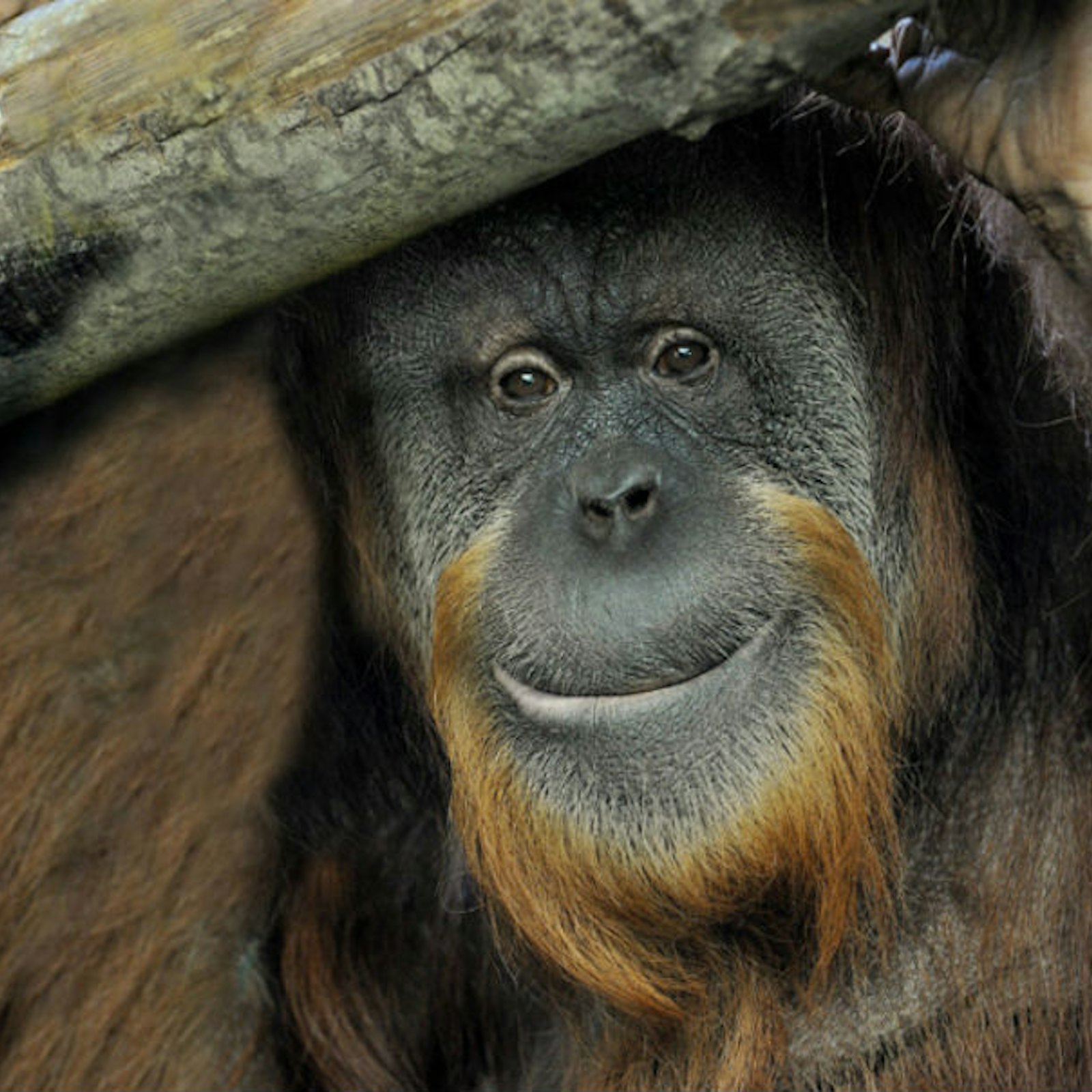
- Animals include elephants, giraffes, lions, tigers, bears, rhinos, chimpanzees, orangutans, penguins and many other species.
- The zoo also has a reptile house with reptiles, amphibians and other species.
Quick Information
- Address: Bioparco di Roma, Viale del Giardino Zoologico 1, 00197, Rome
- Opening Hours: Daily from 10:00 - 19:00
- Suggested Visit Duration: 2-4 hours
- Metro Station: Flaminio or Spagna
- Bioparco di Roma Ticket Options
Is Bioparco di Roma Worth Visiting?
Bioparco Rome is worth considering if you are visiting Rome with children or want to spend a few hours away from the city's busiest historic attractions.
- The zoo is inside Villa Borghese, so it is surrounded by one of Rome's largest parks.
- It is also large enough to provide several hours of things to see, with mammals, birds, reptiles and other animals spread across the grounds.
What You Can See At Bioparco di Roma
Bioparco has a wide range of animals and habitats. Some of the main highlights include:
- Elephants – See the zoo's elephants in their dedicated area.
- Giraffes – The giraffes are one of the popular animals to see during a visit.
- Big Cats – The zoo has lions, tigers and other large cats.
- Primates – See chimpanzees, orangutans, gibbons and other primates.
- Rhinos – White rhinos are among the larger animals at the zoo.
- Bears – The zoo is home to bears and includes scheduled feeding sessions at certain times of the year.
- Penguins – Cape penguins can be seen in their dedicated area.
- Reptiles and Amphibians – The Reptile House contains a range of reptiles, amphibians and other species.
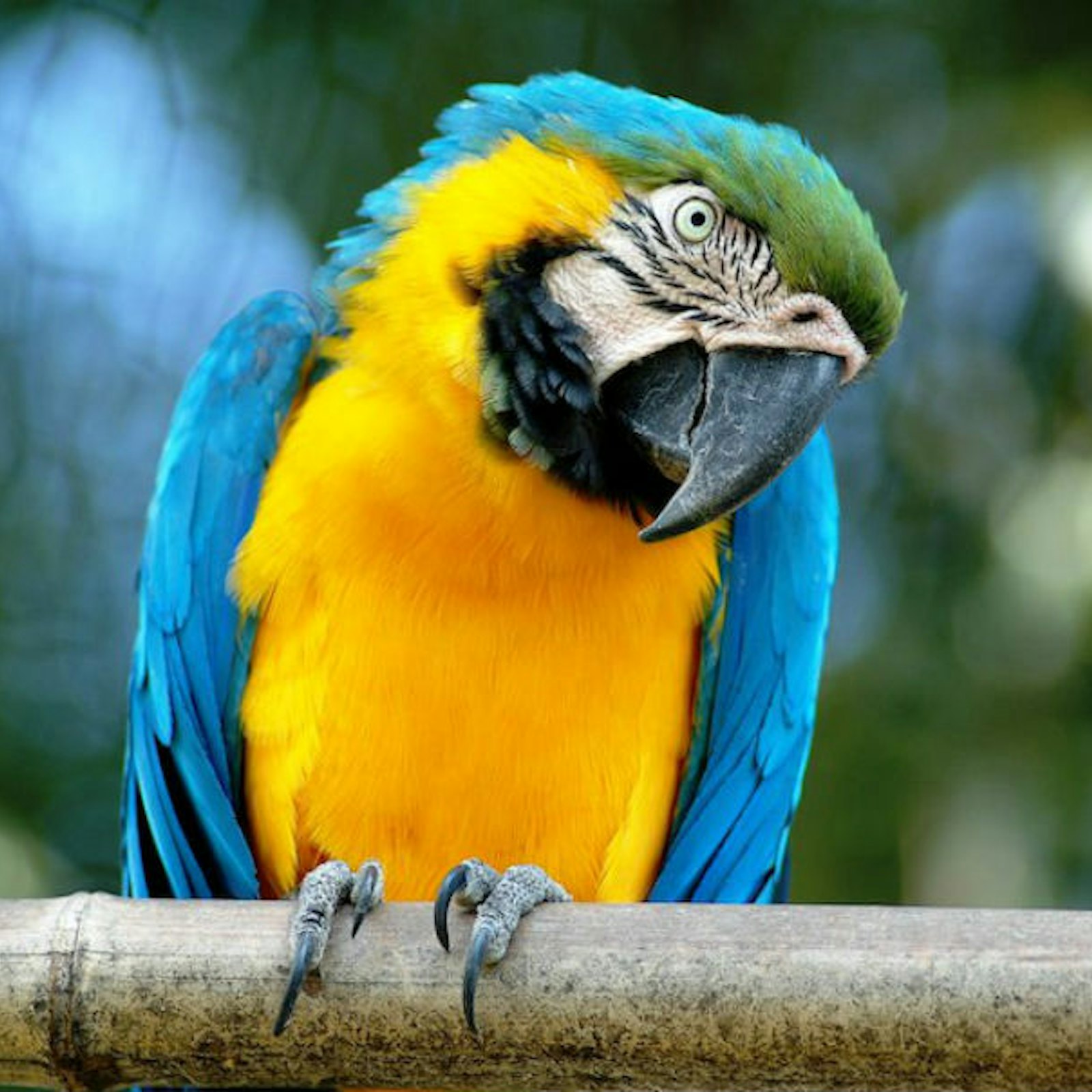
- Birds – The collection includes parrots, macaws, flamingos and other birds.
About Bioparco di Roma
The Bioparco di Roma in the Villa Borghese estate has transformed over the years from just a zoo with exotic animals into a place where you can learn about the animals and their natural habitats and also about the conservation programs they are involved in.
The zoo is spread over around 42 acres and is home to over 1,000 animals from more than 100 species, ranging from big cats and primates to birds and penguins. The park has designed the habitats to mimic the animals own natural environments in order to encourage the animals to thrive and live comfortably at the zoo.
Popular Tickets
Popular Attractions
Bioparco di Rome FAQs
- Is Bioparco di Roma wheelchair accessible?
- Yes, Bioparco di Rome is wheelchair accessible.
- Can I take my dog to Bioparco di Roma?
- No. Only guide dogs are allowed into Bioparco di Roma.
- Can you feed the animals at Bioparco di Roma?
- You are not allowed to feed the animals at Bioparco di Roma, no. Unless it is part of one of the official feeding sessions which can be arranged when you arrive at the information desk.
- Is Bioparco di Roma in the estate of the Borghese house?
- The Bioparco di Rome is in the estate of the Villa Borghese, yes.
Bioparco di Rome Fun Facts
- History: Bioparco di Roma is one of Europe's oldest zoo's having been established in 1911.
- Protecting Endangered Species: Bioparco di Roma actively participates in breeding programs for endangered species trying to improve birth rates of the animals and increasing their numbers. Their programs include Amur leopards, Przewalski's horse and Sumatran tigers.
- Hospital: Bioparco di Roma has an on-site hospital for animals, so they can treat animals on site. They are also a centre for rehabilitating injured wildlife.
- Immersive Experiences: They ran a program called 'Keeper for a Day' where you can work along side the zookeepers and help to look after the animals.
Useful Information About Bioparco di Rome
Tips for visiting Bioparco di Rome
- Book Tickets Online: Booking tickets online is easy and convenient. It can also help you avoid the queues that can form at the ticket office.
- Combination Tickets: Consider a combination ticket for Bioparco di Roma.
- Things to do in Rome: Find other activities and attractions for things to do in Rome.
- Reptile House: If its a very hot and sunny day, visit the reptile house as its a great place to temporarily escape the heat. Its also fun in there with the lizards, crocodiles and other species.
Bioparco Rome Address
- Viale del Giardino Zoologico 1, 00197, Rome
Bioparco di Roma Opening Hours
- Monday: 09:30 -18:00
- Tuesday: 09:30 - 18:00
- Wednesday: 09:30 - 18:00
- Thursday: 09:30 - 18:00
- Friday: 09:30 - 18:00
- Saturday: 09:30 - 18:00
- Sunday: 09:30 - 18:00


