


Barcelona Cathedral: Entry Ticket
Explore a Gothic-style cathedral with a significant history
- Barcelona Cathedral: Entry Ticket
- Access to the rooftop
- Access to the Chapter Hall
- VR experience
- Reserve rate
More info
Less info

Excellent
This is some text inside of a div block.
This is some text inside of a div block.
This is some text inside of a div block.

4.3
From
€19.00
BESTSELLER
Barcelona Cathedral - Tickets and Visitor Information
What is Barcelona Cathedral?
- Barcelona Cathedral or La Seu is one of the city's oldest and most important landmarks.
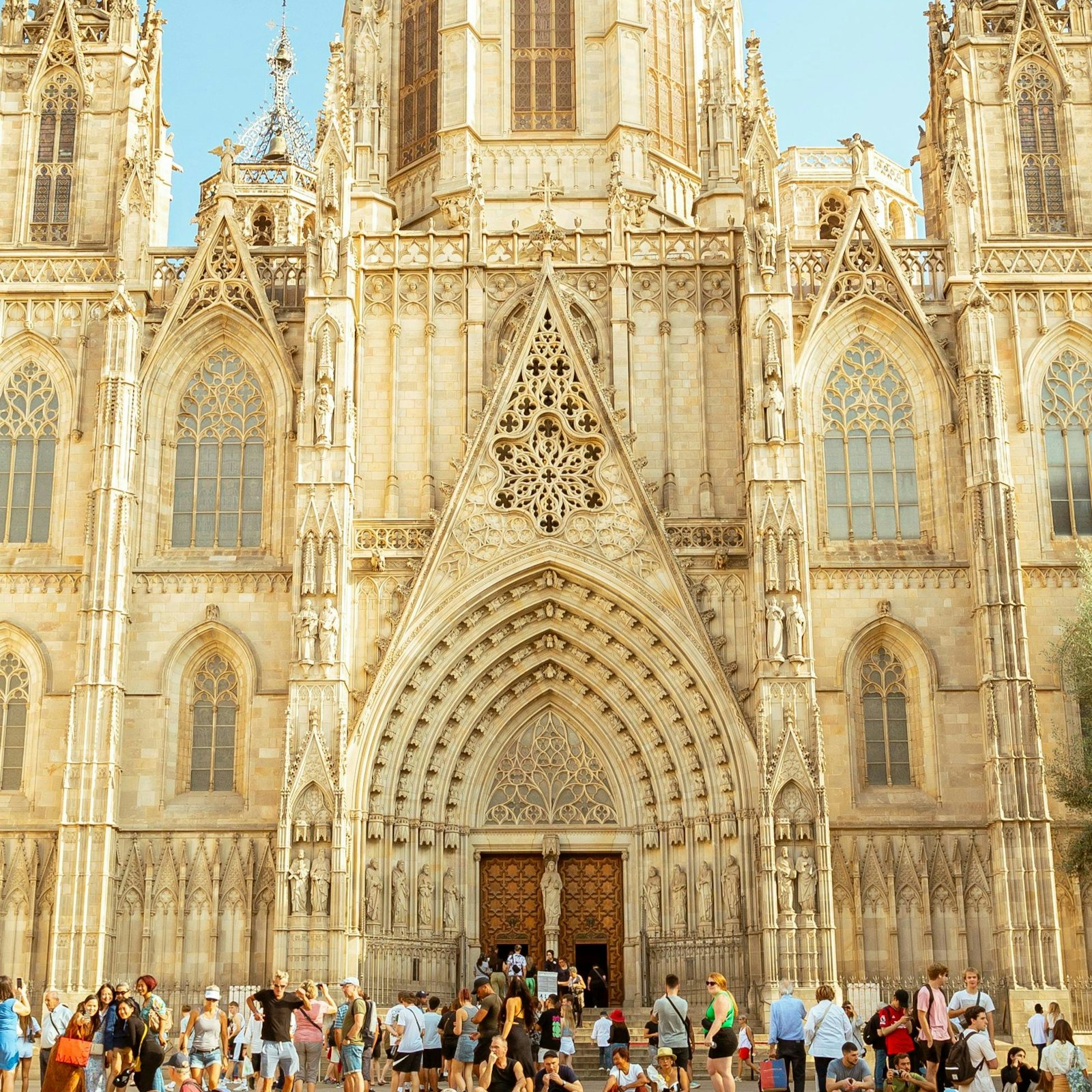
- Standing in the heart of the Gothic Quarter, the cathedral dates back to the 13th century and is known for its Gothic architecture, beautiful cloister, rooftop views and the 13 white geese that live there.
- While many visitors head straight to Sagrada Família, Barcelona Cathedral offers a quieter experience and provides a fascinating look at the city's medieval history.
Helpful Information
- Address: Barcelona Cathedral, Plaça de la Seu, 08002, Barcelona
- Opening Hours: 09:30 - 18:30
- Nearest Metro: Jaume I (L4) or Urquinaona (L1/L4)
- Official Name: Cathedral of the Holy Cross and Saint Eulalia
- Suggested Visit Duration: 1-2 hours
- Ticket Options
Is Barcelona Cathedral Worth Visiting?
Yes. Barcelona Cathedral is one of the city's most impressive Gothic landmarks and is often quieter than Sagrada Família.
- Visitors can admire centuries-old Gothic architecture, explore the peaceful cloister with its famous white geese, and enjoy panoramic views from the rooftop.
- Built between the 13th and 15th centuries, the cathedral offers a look into Barcelona's medieval past.
What You Can See At Barcelona Cathedral
- The architecture, Gothic nave and soaring vaulted ceilings.
- The peaceful cloister, home to the cathedral's famous 13 white geese.
- Panoramic views from the rooftop terrace.
- The beautifully carved choir stalls.
- The Chapel and Crypt of Saint Eulalia.
{{ticket-block-triple}}
About Barcelona Cathedral
Barcelona Cathedral stands on the site of an earlier Christian basilica and a later Romanesque cathedral, both of which occupied the same location before the current Gothic cathedral was built. It is also the official seat of the Archbishop of Barcelona.
Construction of the current cathedral began in 1298 and was completed in the mid-15th century, during the reign of King Alfonso V of Aragon. Its official name is "Cathedral of the Holy Cross and Saint Eulalia" and it is dedicated to Saint Eulalia, the co-patron saint of Barcelona.
Cathedral Highlights
- The Cloister: The peaceful cloister and its garden are home to 13 white geese, symbolising Saint Eulalia's age when she was martyred. The garden has palm trees, an orange tree, and a water fountain and pond dating back to the 15th century. Access to the cloister is through a doorway believed to contain white marble from the original Romanesque cathedral, making parts of it more than 700 years old.
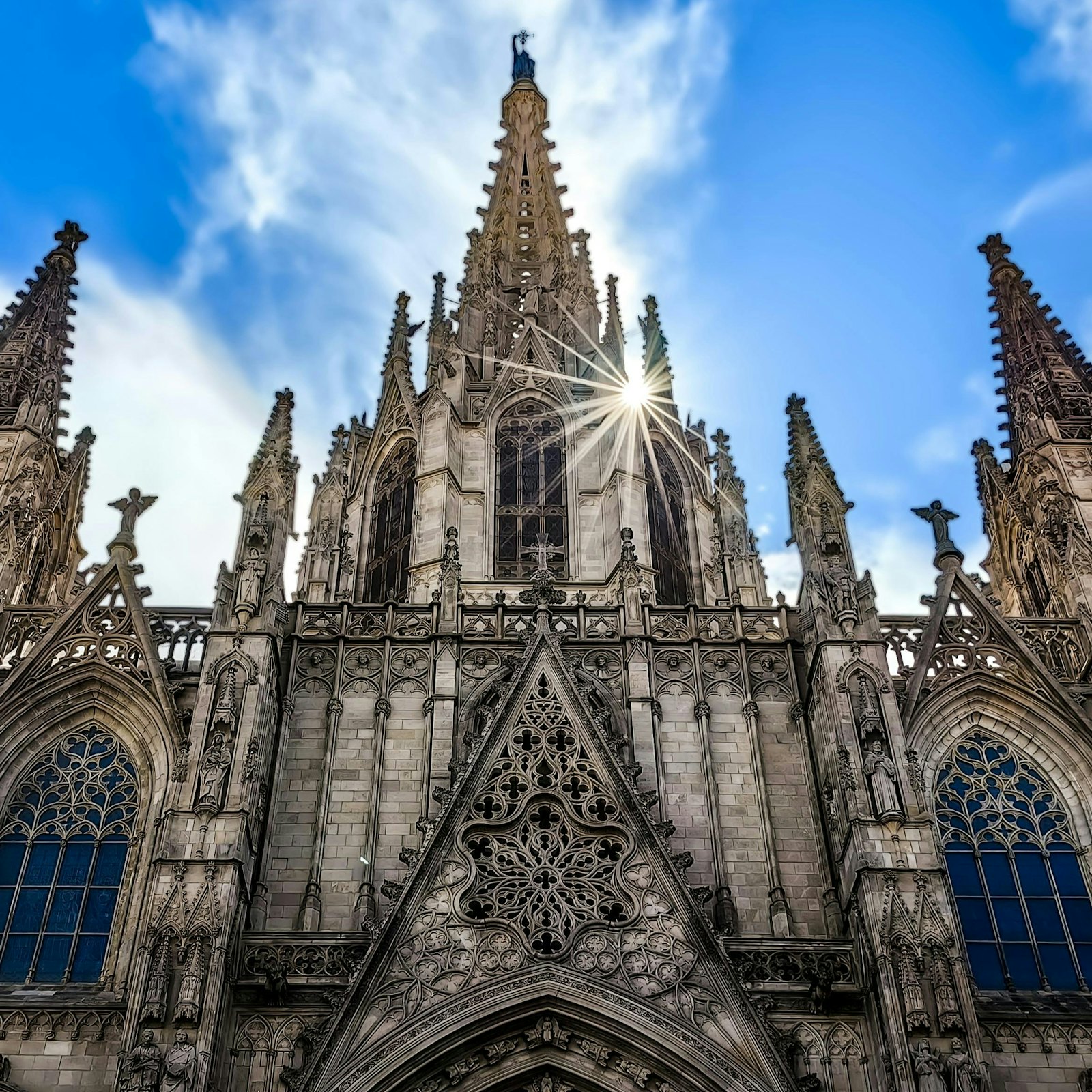
- The Rooftop: Accessible by lift, the rooftop offers panoramic views across Barcelona's Gothic Quarter. Visitors can also see the cathedral's bell towers, along with the lateral pinnacles and the cimborio, which is crowned by the Holy Cross, and allows natural light into the cathedral.
- The Golden Fleece Choir Stalls: The intricate choir stalls are designed in Catalan Gothic style and feature shields painted by Juan de Borgoña which date back between 1517 and 1518, and represent the knights of the Order of the Golden Fleece.
- The Chapter Hall: Originally a soup kitchen, the space is now a museum and displays art that dates back to the 15th century and other artefacts. You can see the 11th century baptismal font which was also in the original building. The room is also home to a monstrance' made from silver and gold and is linked to the throne of King Martin the Humane.
- The Saint Christ of Lepanto's Chapel: Constructed in 1407 by Arnau Bargués, and served as the Chapterhouse until 1676. It is dedicated to worship and prayer and houses the mausoleum of Saint Olegarius. It is also home to a figurine of Christ of Lepanto, which is believed to have miraculously missed a cannonball fired at it during the 1571 battle of Lepanto when it was on a ship.
- The Bell Tower: The cathedral's two Gothic bell towers rise to around 70 metres above the Gothic Quarter and are amongst Barcelona's most recognisable landmarks. While visitors cannot climb the towers themselves, they can admire them from the rooftop terrace.
- The Crypt: The crypt beneath the cathedral preserves the relics of Saint Eulalia, the co-patron saint of Barcelona, allowing visitors to pay their respects.
Popular Tickets

Popular Attractions
No items found.
Barcelona Cathedral FAQs
- Can you use cameras in Barcelona Cathedral?
- You are not allowed to use cameras in the cathedral at times of worship.
- Where is Barcelona Cathedral located?
- Barcelona Cathedral is in the Gothic Quarter (Barri Gòtic) at Pla de la Seu s/n 08002 Barcelona. Its in the old part of the city.
- Do I need to book tickets in advance to visit Barcelona Cathedral?
- If you know when you want to visit, we always suggest booking tickets in advance. Its a very popular tourist attraction in Barcelona.
- Is Barcelona Cathedral wheelchair accessible?
- Yes, Barcelona Cathedral is wheelchair accessible.
- Do you need a ticket for Barcelona Cathedral?
- If you are visiting the cathedral for worship purposes, you don't need a ticket, but it must be during times of worship only. If you are visiting as a tourist, then yes, a ticket is required for your visit.
- When was Barcelona Cathedral built?
- The cathedral's construction began in 1298 and it was completed in 1420, though its Neo-Gothic façade was added in the 19th century.
- Is Barcelona Cathedral the same as the Sagrada Família?
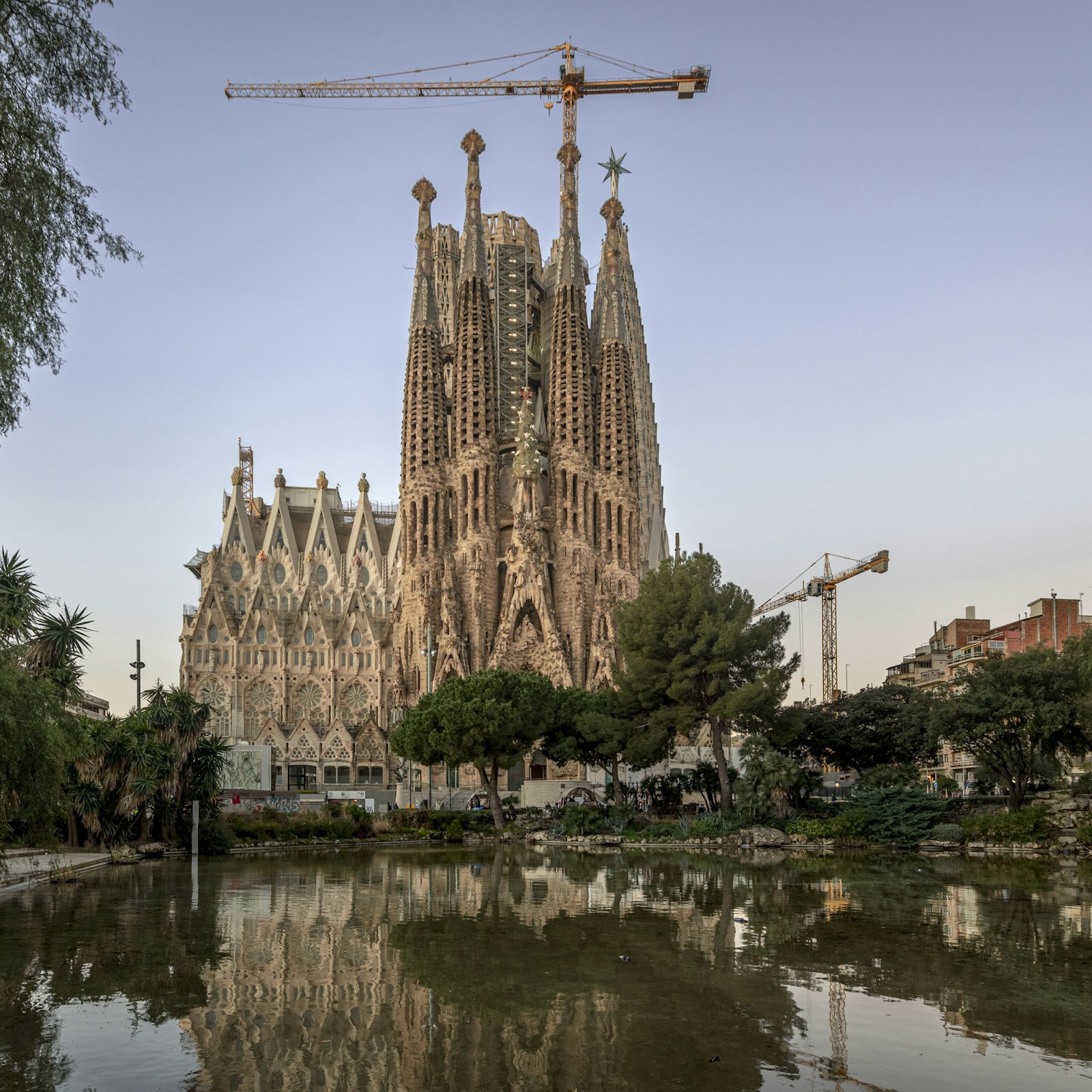
- No, they are different. Barcelona Cathedral is a Gothic masterpiece, whereas the Sagrada Família, which was designed by Antoni Gaudí, is a modernist basilica (and yet unfinished!). Both are worth visiting. The Sagrada Familia is Barcelona's most popular tourist attraction.
- Can you access the rooftop of Barcelona Cathedral?
- Yes, you can access the rooftop for amazing panoramic views of Barcelona and a closer look at its spires.
- Are there geese at Barcelona Cathedral?
- Yes, 13 white geese live in the cloister of Barcelona Cathedral and they symbolise the age of Saint Eulalia at her martyrdom.
Barcelona Cathedral Fun Facts
- Cathedral Construction: Construction began in 1298 and took around 150 years.
- Dedicated to Saint Eulalia: The cathedral is dedicated to Saint Eulalia, a young Christian martyr who is considered one of Barcelona's patron saints. She was killed during Roman times for her Christian beliefs, and her crypt lies beneath the main altar.
- Gothic Architecture: Although the cathedral was built between the 13th and 15th centuries, its Gothic facade wasn’t completed until the 19th century. The building showcases classic Catalan Gothic architecture, featuring pointed arches, ribbed vaults, and elaborate stonework.
- The Cloister’s Geese: The cathedral’s cloister houses 13 white geese which symbolise the age at which Saint Eulalia was martyred. The cathedral has had geese there since the mediaeval times as part of tradition.
- Stunning Views from the Roof: You can access the rooftop which offers a panoramic view of Barcelona’s Gothic Quarter and beyond.
- Wooden Choir Stalls: The interior of the cathedral features intricately carved wooden choir stalls which date back to the 14th and 15th centuries. Each stall is uniquely decorated with scenes and emblems, including the coats of arms of the knights of the Order of the Golden Fleece.
- Changing Names: Though it’s commonly referred to as ‘Barcelona Cathedral’, its full name is "Catedral de la Santa Creu i Santa Eulàlia" in Catalan, which means "Cathedral of the Holy Cross and Saint Eulalia."!
- The Crypt of Saint Eulalia: Beneath the main altar is the crypt where Saint Eulalia's remains are enshrined in a beautifully decorated alabaster sarcophagus, which is a key pilgrimage site for Catholics visiting Barcelona.
- Cathedral Organ: The organ in Barcelona Cathedral was built in the 16th century!
Useful Information About Barcelona Cathedral
Tips for visiting Barcelona Cathedral
- Book Tickets Online: It's an easy and convenient way of securing your tickets and can also save time.
- Arrive Early or Late: The cathedral can get very crowded, especially during peak season. To avoid the biggest crowds, try and plan your visit either early in the morning when it opens or later in the afternoon.
- Dress Appropriately: As with many religious sites, there is a dress code for Barcelona Cathedral to be respectful. Ensure your shoulders and knees are covered. If you're visiting during the summer, bring a shawl or scarf to cover up if needed.
- Explore the Rooftop: Don’t miss the chance to go up to the rooftop. The views over the Gothic Quarter and beyond are spectacular. There are elevators that will take you up for a small additional fee, and it's well worth it for the panoramic views of the city.
- Take a Guided Tour: To fully appreciate the history, art, and architecture of the cathedral, consider the guided tour option as they can provide you with a deeper understanding of the significance of the cathedral and its place in Barcelona's history. Click HERE for the Guided Tour Ticket details.
- Things to do in Barcelona: See our full range of things to do in Barcelona by CLICKING HERE.
How To Get There
- Barcelona Cathedral, Pla de la Seu, s/n 08002, Barcelona
Opening Hours
- Monday: 09:30 - 18:30
- Tuesday: 09:30 - 18:30
- Wednesday: 09:30 - 18:30
- Thursday: 09:30 - 18:30
- Friday: 09:30 - 18:30
- Saturday: 09:30 - 17:15
- Sunday: 14:00 - 17:00
Why book with us?

Digital
Ticket Entry

Great Discounts
Available

Flexible
Cancelations

Trouble-free
Booking

Subscribe Our Newsletter & Get The Latest Deals
Thank you! Your submission has been received!
Oops! Something went wrong while submitting the form.